Your VO2max Decline Is a Range, Not a Rate
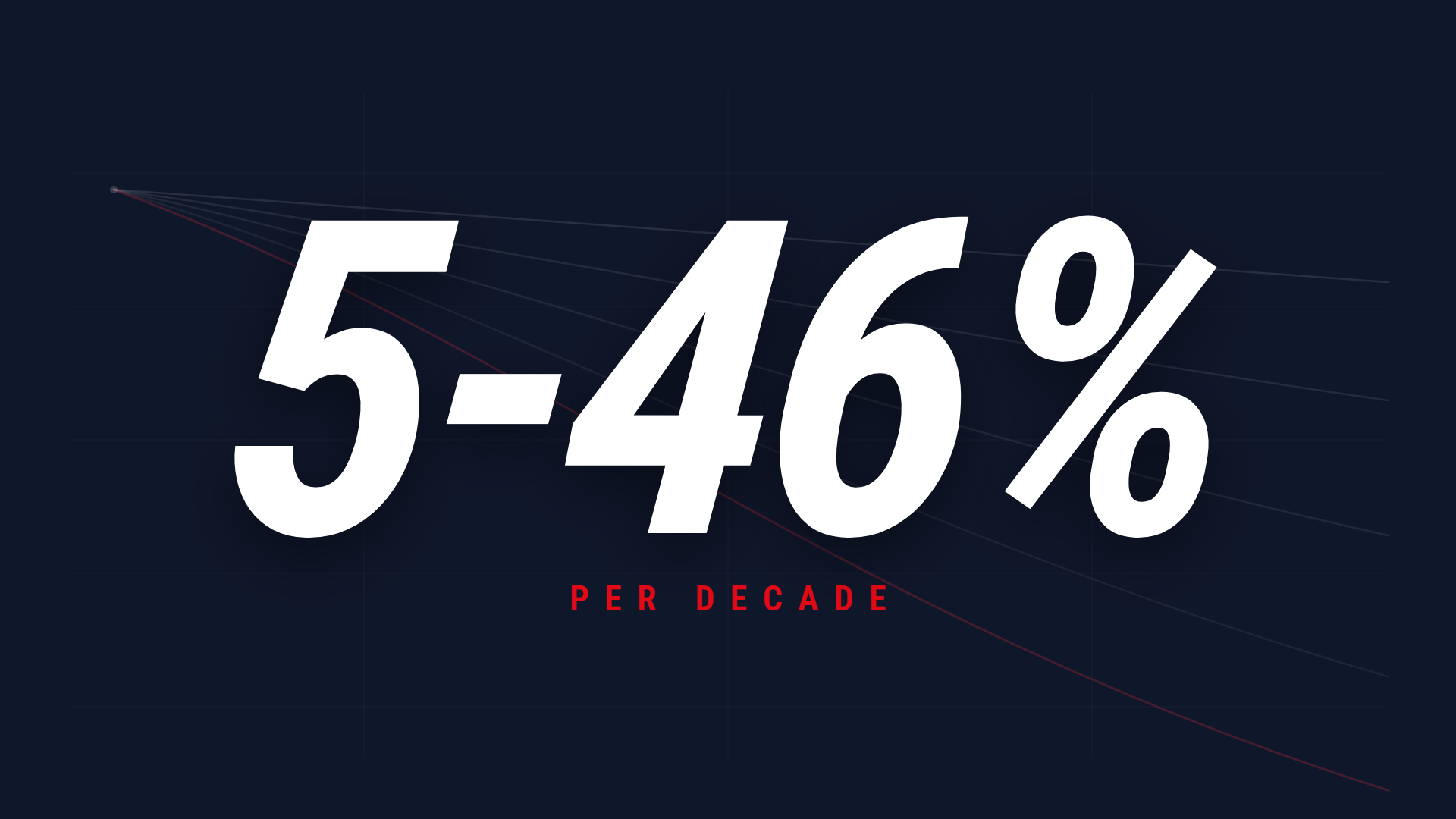
Masters riders lose anywhere from 5% to 46% of VO2max per decade. The spread has almost nothing to do with age and almost everything to do with training. That is why Rollfast anchors zones to a VO2 ceiling, not a 20-minute FTP test.
The Pint and the Saddle
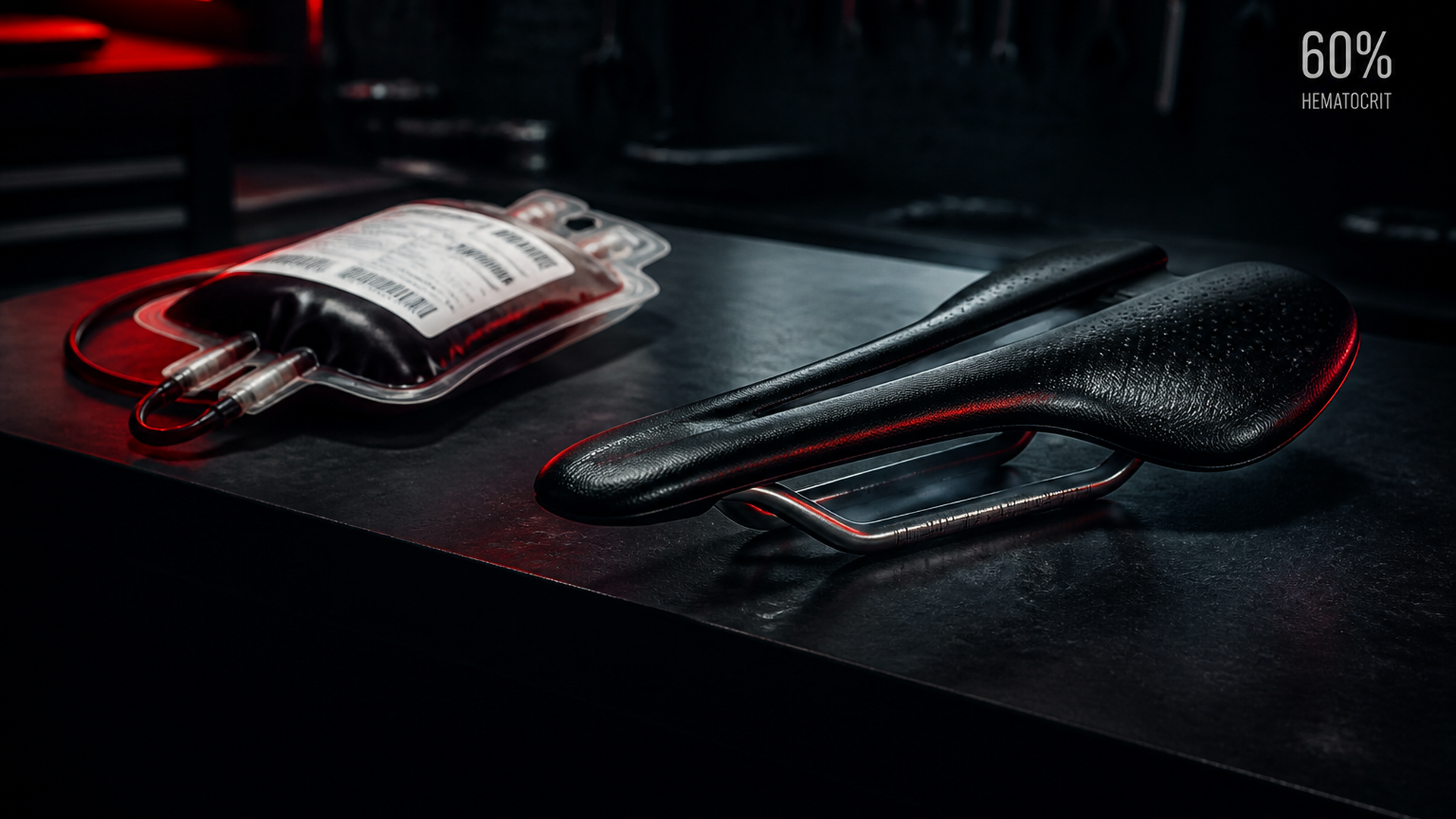
On Monday 17 August I donated a pint of blood after a hematocrit of 60 percent, and I moved my saddle forward the same day. Claude went through the Strava files. Same speed. Heart-rate cost per watt down 5.8 percent on the steady laps. Here is the method, including the parts that did not work.
Everybody can hit 1000 watts!
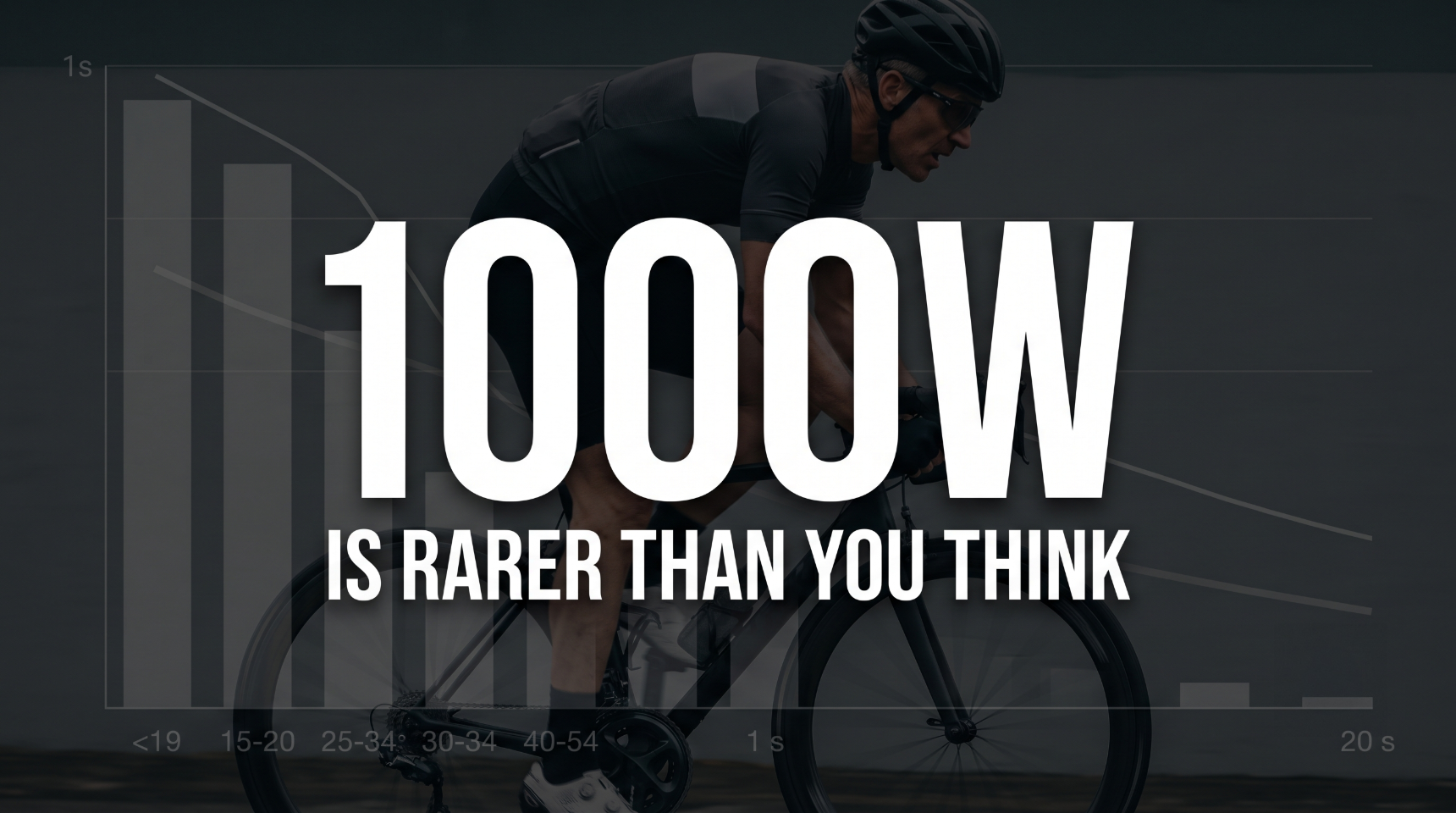
Most men never hold 1,000 watts for a real sprint — and after 40, far fewer do. TrainerRoad's data kills the myth. Here's what Masters riders should train instead of chasing a vanity number.
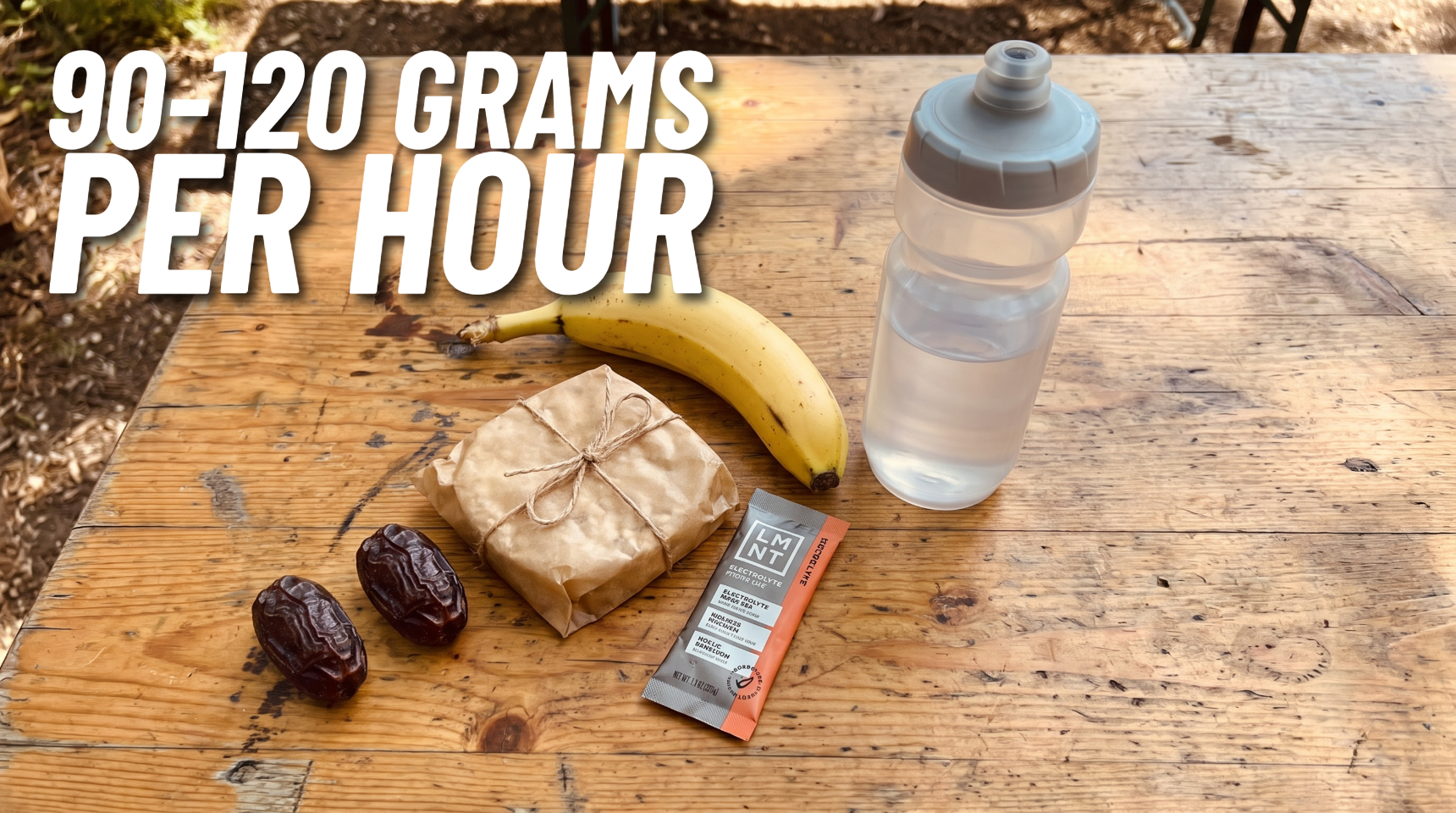
There Is No Carb Number. The UCI’s Own Data Ranges From 41 to 106 Grams an Hour.
The "90 to 120 grams of carbohydrate per hour" rule that dominates cycling nutrition advice comes from the top of a Grand Tour range, not the middle of the peloton. The UCI's own data spans 41 to 106 grams per hour across professional road cycling, and that spread is the point: there is no single carb number.
Deep Sleep Is a Training Zone, and You’re Getting Locked Out of It
You track power and intervals. The training zone you are probably not protecting is deep sleep. After 50, slow-wave sleep shrinks, growth hormone drops, and Tuesday's hard work stops sticking the way it should.
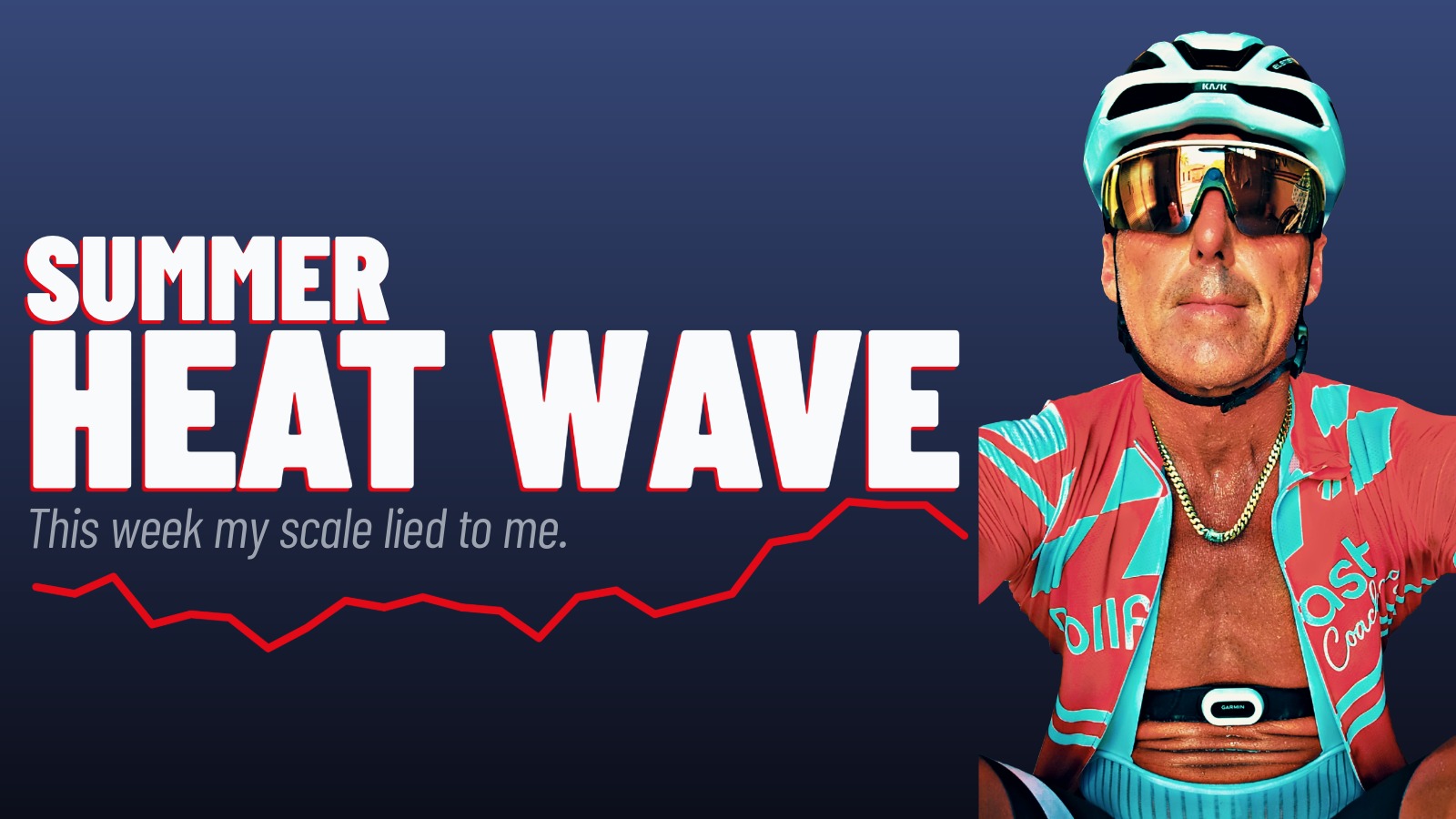
The Summer Scale Lie
I came home from a hot week in Florida heavier, and my Garmin insisted my body fat had jumped from 10 to 13 percent in five days. Then the heat took my watts too. None of it is what it looks like. Here is what the summer scale and your power meter are really measuring, why cutting calories is the worst move you can make,
Vitamin D is your missing performanc lever.
You track your power. You probably track HRV. You might even know your last cholesterol number. But ask a room full of Masters cyclists what their vitamin D level is, and most of them will go quiet. That silence is the problem, because for a rider over 40, few numbers touch as many of the systems that decide whether your training actually turns into fitness. Here
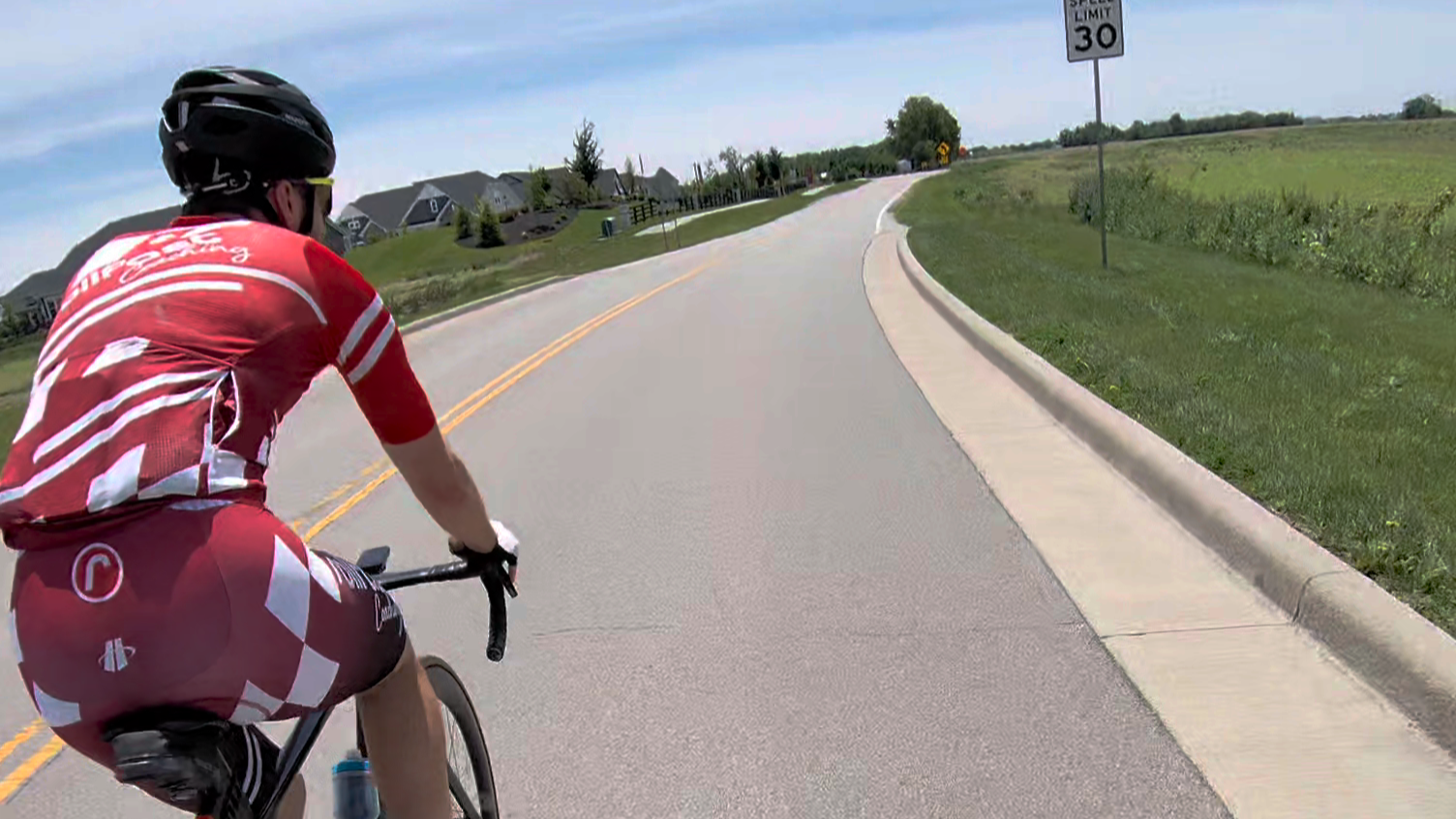
The 4% Nobody Trains For: Free Watts Hiding in How You Pedal
There's a number buried in the 2026 Masters training research that should make every 50-something cyclist sit up. Riders who cleaned up the timing of how their leg muscles fire through the pedal stroke picked up roughly 4% in functional threshold power, at the same heart rate. Read that again. Same effort. Same cardiovascular cost. Four percent more power. If you've been racing for a couple of decades, you know
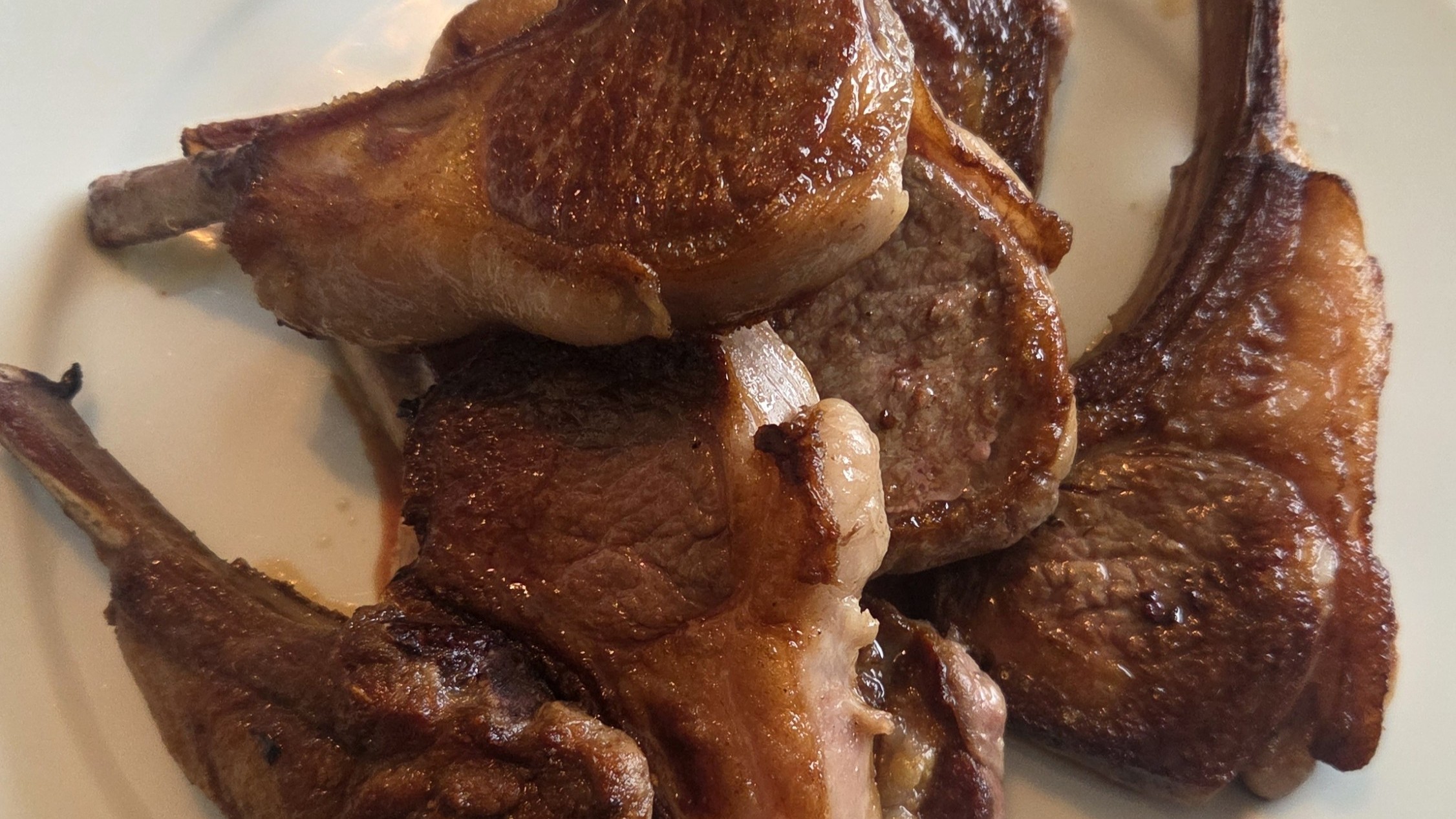
You Eat Like a 30-Year-Old and Wonder Why You’re Not Rebuilding
You do the work. You lift twice a week, you hit your intervals, you put in the miles. And yet the legs come back flat, the recovery drags, and the power you built last season keeps slipping through your fingers. The easy explanation is the one everyone reaches for: that's just aging. It's usually not aging. It's under-eating the one macro that does the rebuilding. Rollfast's Formula One Nutrition framework
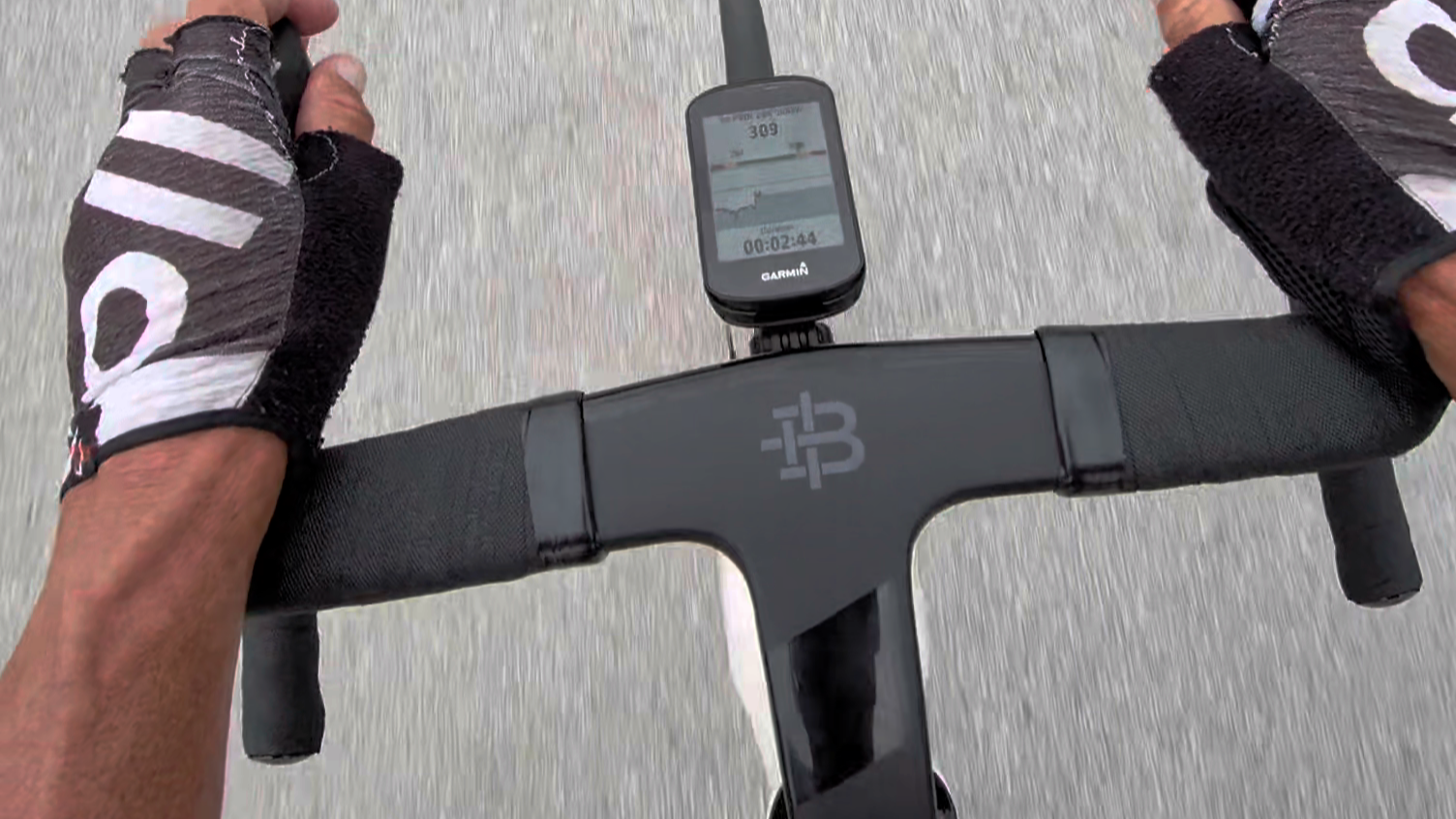
You’re Not Too Old for Intervals. You’re Just Spacing Them Wrong
Somewhere around your 50th birthday, the advice changes. Training partners, forum threads, even well-meaning coaches start telling you the same thing: ease off the hard stuff. You're not 25 anymore. Stick to Zone 2 and ride your age. It's the most comfortable bad advice in cycling, and the 2026 VO₂max research says it's wrong on the part that matters most. Masters athletes respond to high-intensity intervals as well as