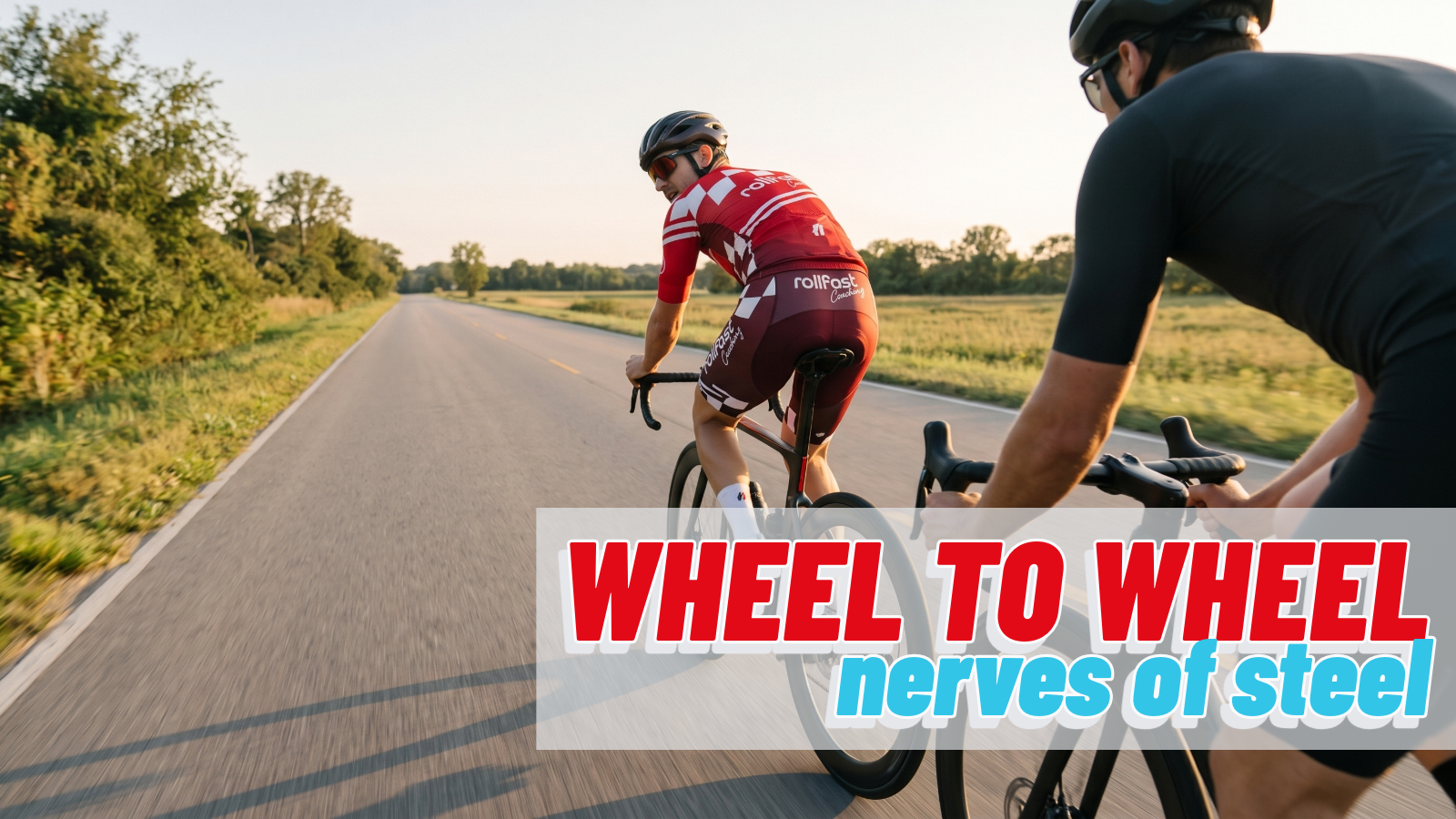
How to Ride Closer to the Wheel Without Panicking
Leaving a three-foot gap feels safe, but it means you're doing far more work than everyone else in the group, and you'll be the one cooked when the surge comes. The draft is free speed, and closing that gap is a skill you can build on purpose in three rides.
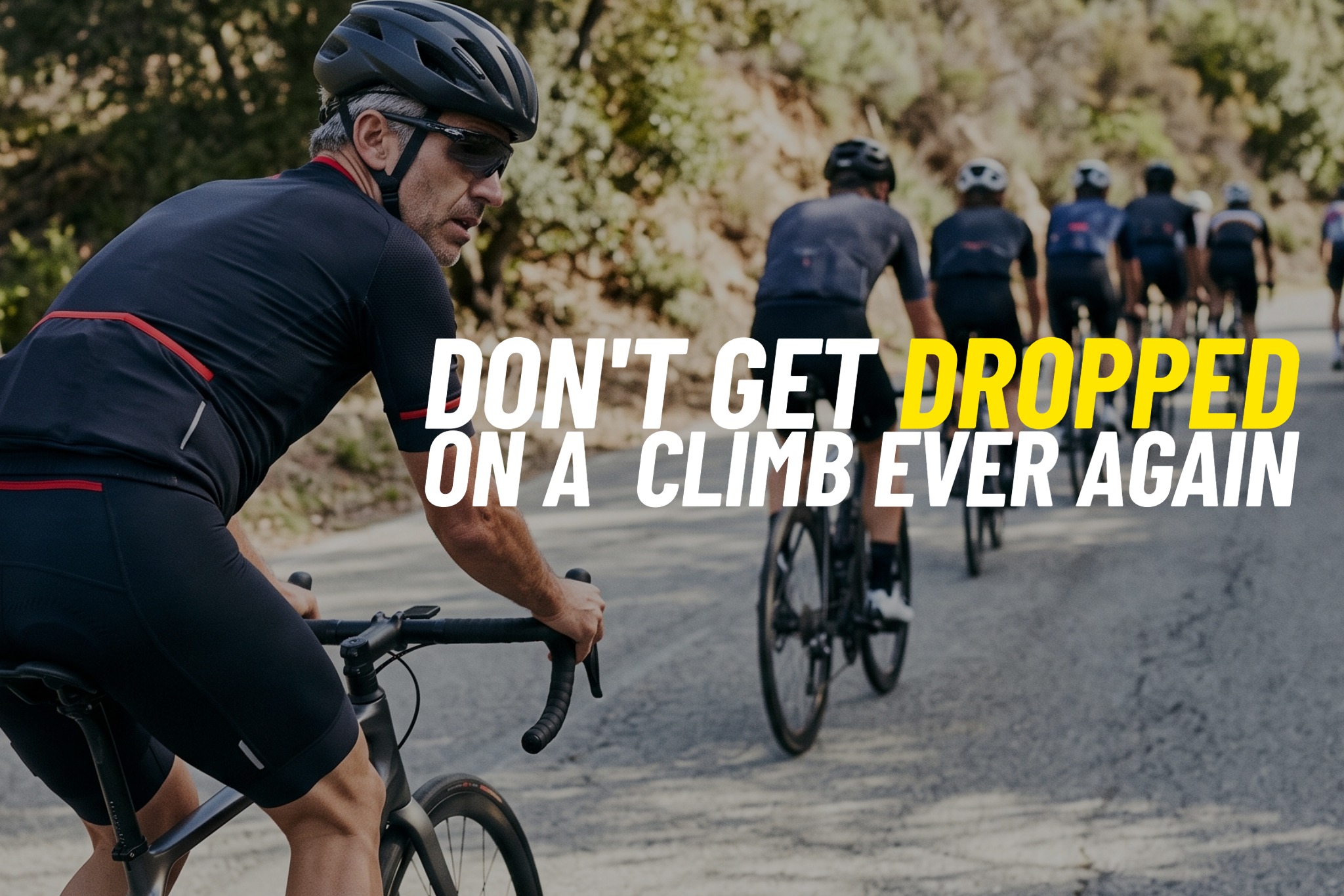
How to Stop Getting Dropped on Climbs After 40
Getting dropped on the club-ride climb is rarely a fitness problem, it's a tactics problem. Fix where you start the climb, how hard you hit the first surge, add two targeted weekly sessions, and learn to surf the terrain, and the group that used to ride away from you stops disappearing.
Your VO2max Decline Is a Range, Not a Rate
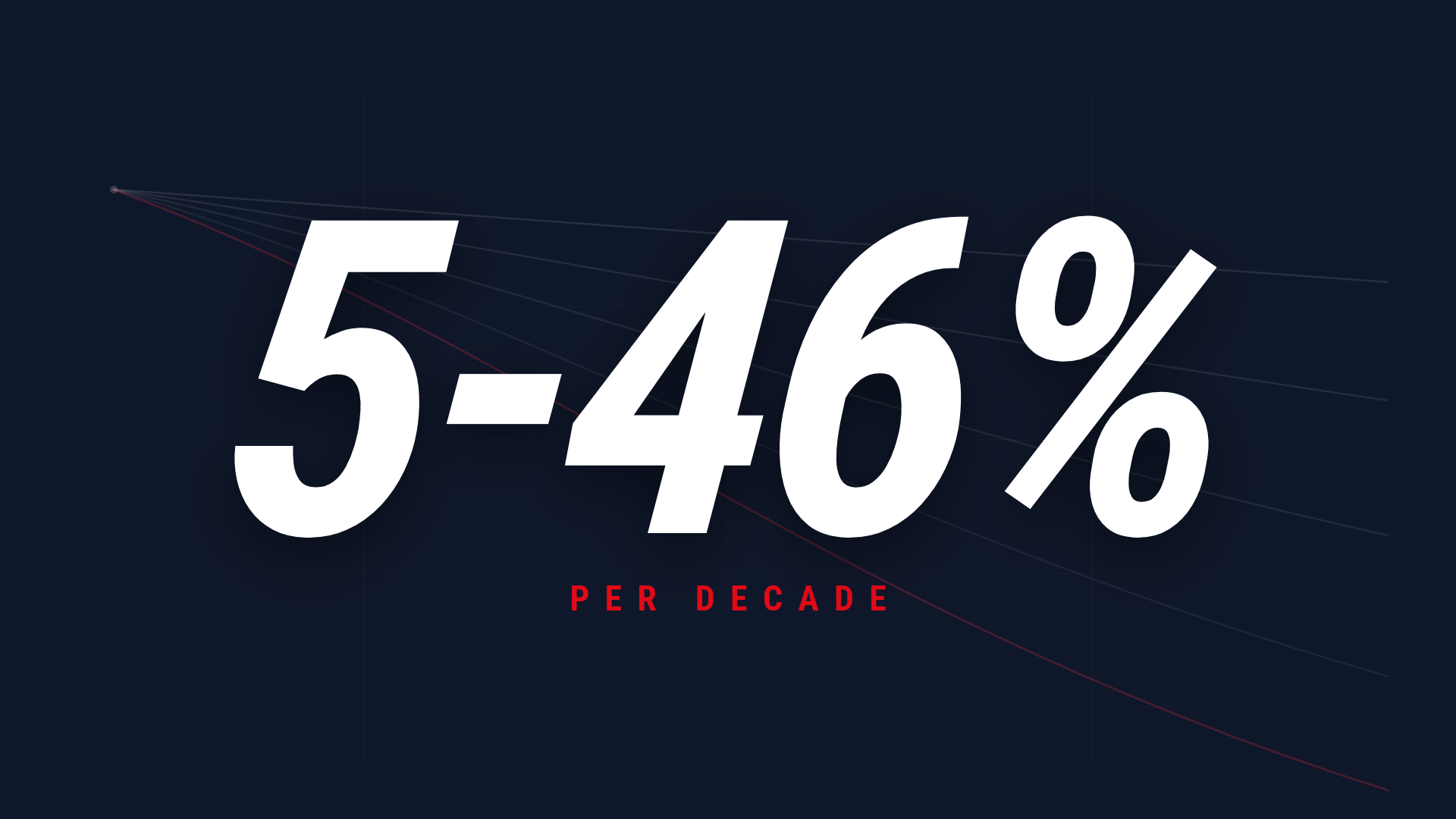
Masters riders lose anywhere from 5% to 46% of VO2max per decade. The spread has almost nothing to do with age and almost everything to do with training. That is why Rollfast anchors zones to a VO2 ceiling, not a 20-minute FTP test.
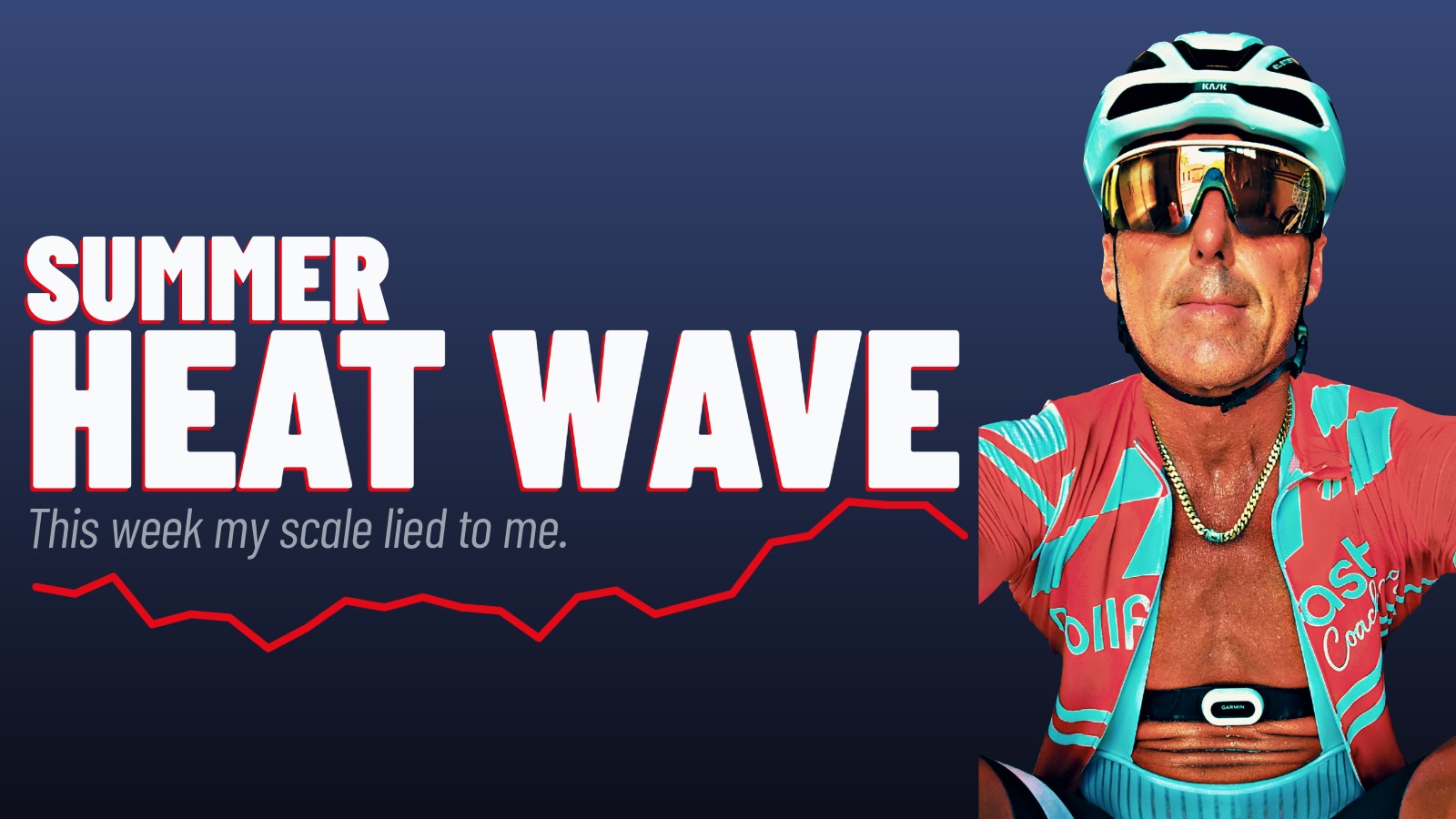
The Summer Scale Lie
I came home from a hot week in Florida heavier, and my Garmin insisted my body fat had jumped from 10 to 13 percent in five days. Then the heat took my watts too. None of it is what it looks like. Here is what the summer scale and your power meter are really measuring, why cutting calories is the worst move you can make,
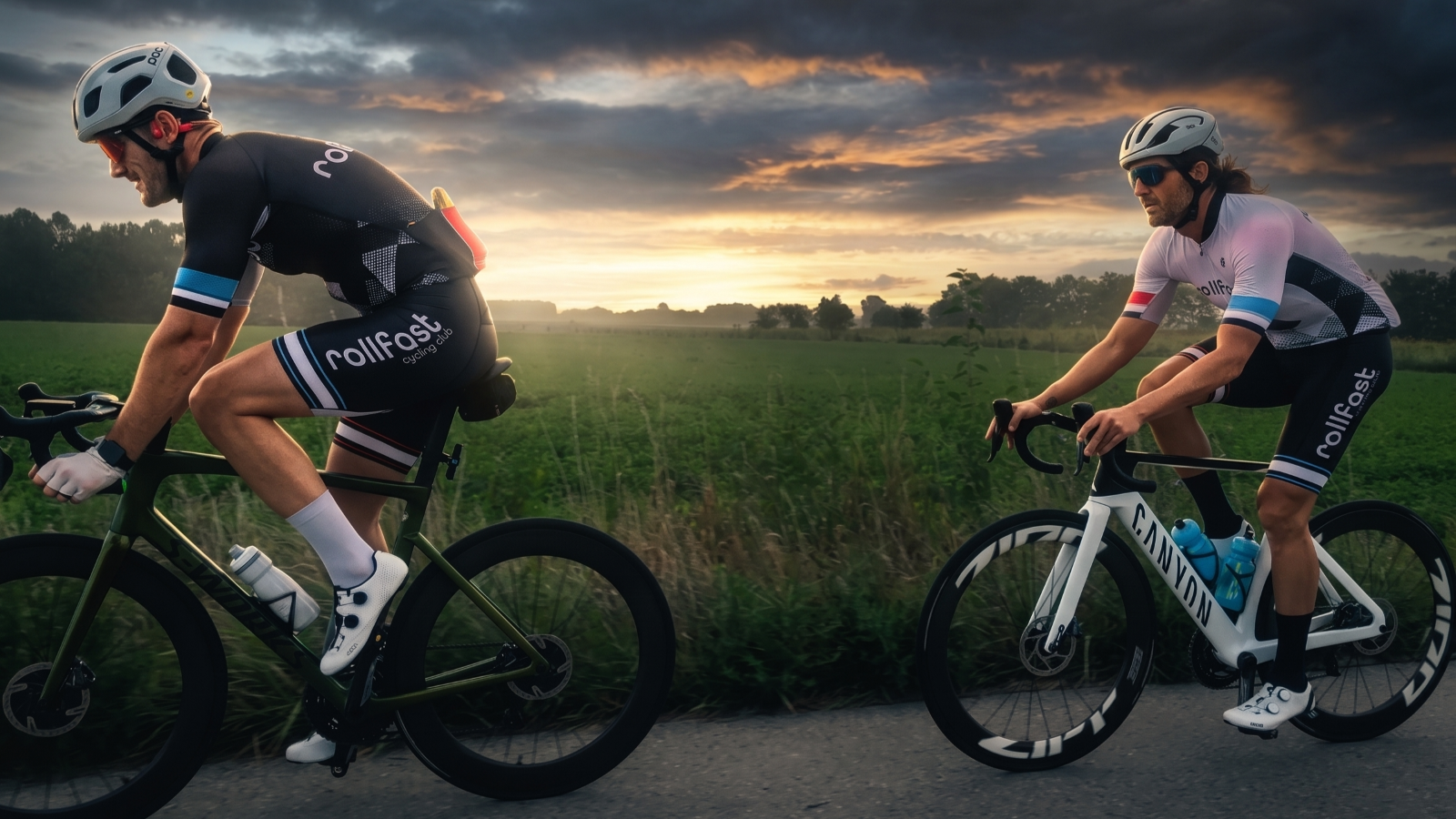
The Tailwind Trap: Why Getting “Blown Home” is the Hardest Part of the Ride
There is a common myth in group cycling: Headwinds are for suffering, and tailwinds are a free ride home. When you turn your bike and feel the wind at your back, the expectation is that the group will casually float along at 30 mph while you barely touch the pedals. But if you’ve spent enough time in a fast group ride, you know the brutal
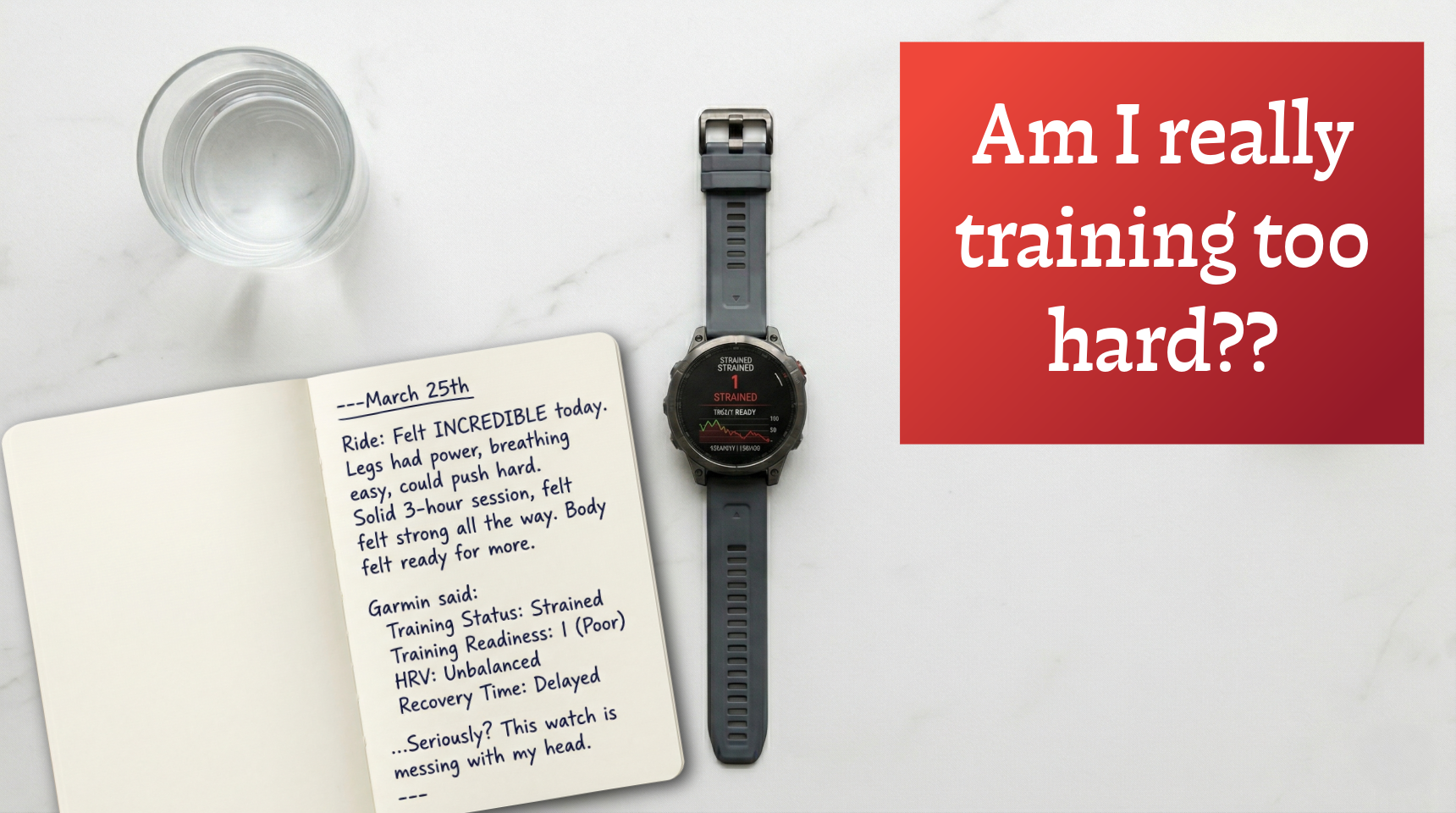
Why Your Recovery App Is Making You WORSE (And How to Actually Recover)
For 5 months, Matt Tanner's Garmin told him he was broken. Despite feeling strong and hitting new PRs, the app consistently flagged him as "Strained" and "Poor Readiness." This post, born from Matt's personal battle with contradictory data (and E. coli), exposes why generic recovery apps fail Masters athletes. Discover how algorithmic noise can sabotage your mental game, and why trusting your internal compass, backed
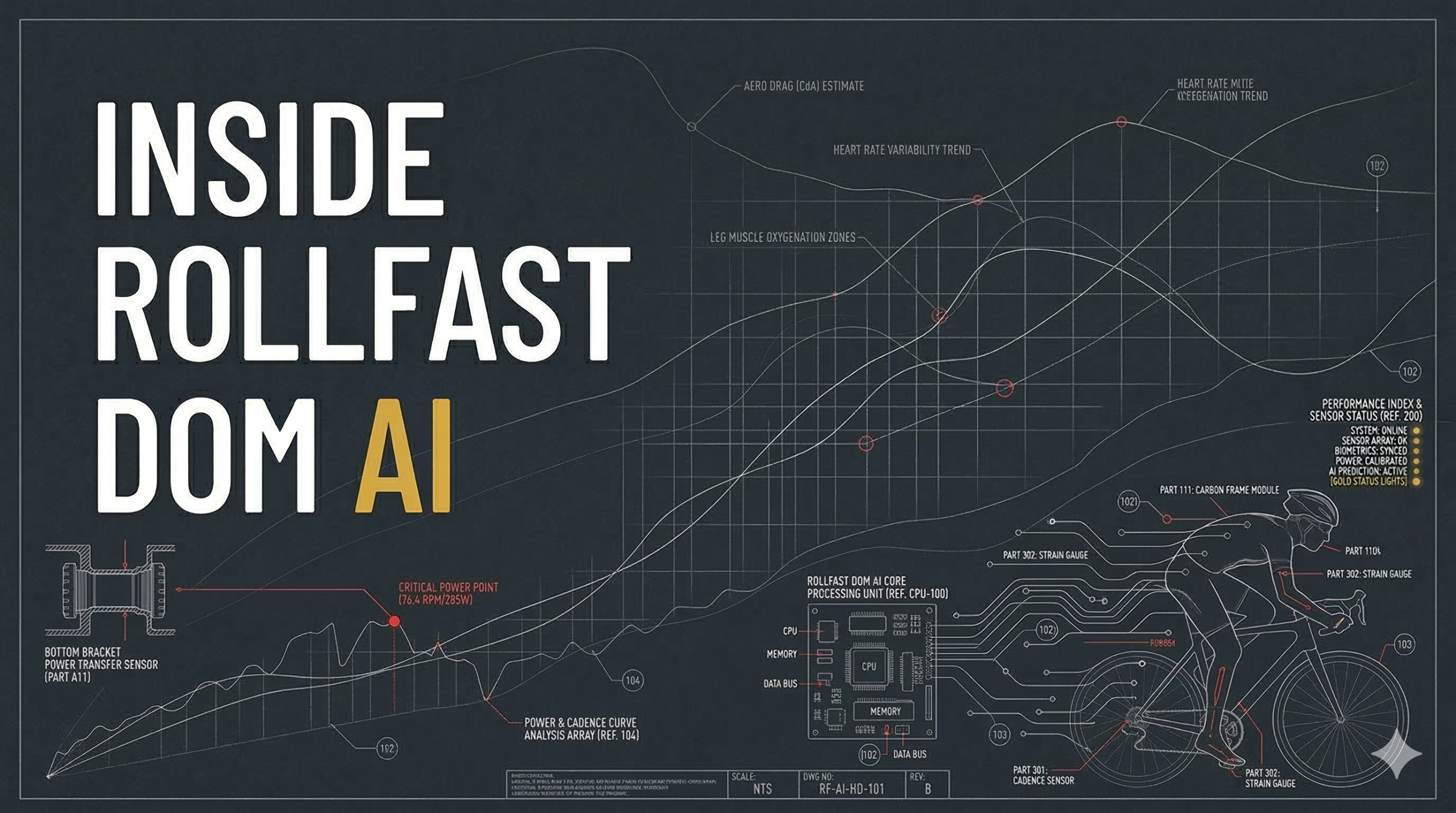
Why Your Data Deserves Better: Inside Rollfast DOM AI
DOM AI grades completed rides in Rollfast zones: report card, Extra Credit, dFRC reserve, Quadrant Analysis, and a reply path if the file looks wrong.

Balance Is Measured In Years
The idea that work, life, and training should sit in perfect equilibrium every day is a comforting myth—and mostly false. If you are ambitious in more than one area of life, trying to hold everything at peak output simultaneously isn’t discipline; it’s a misunderstanding of how growth works. Here is why we need to stop measuring balance in days and start measuring it in years.
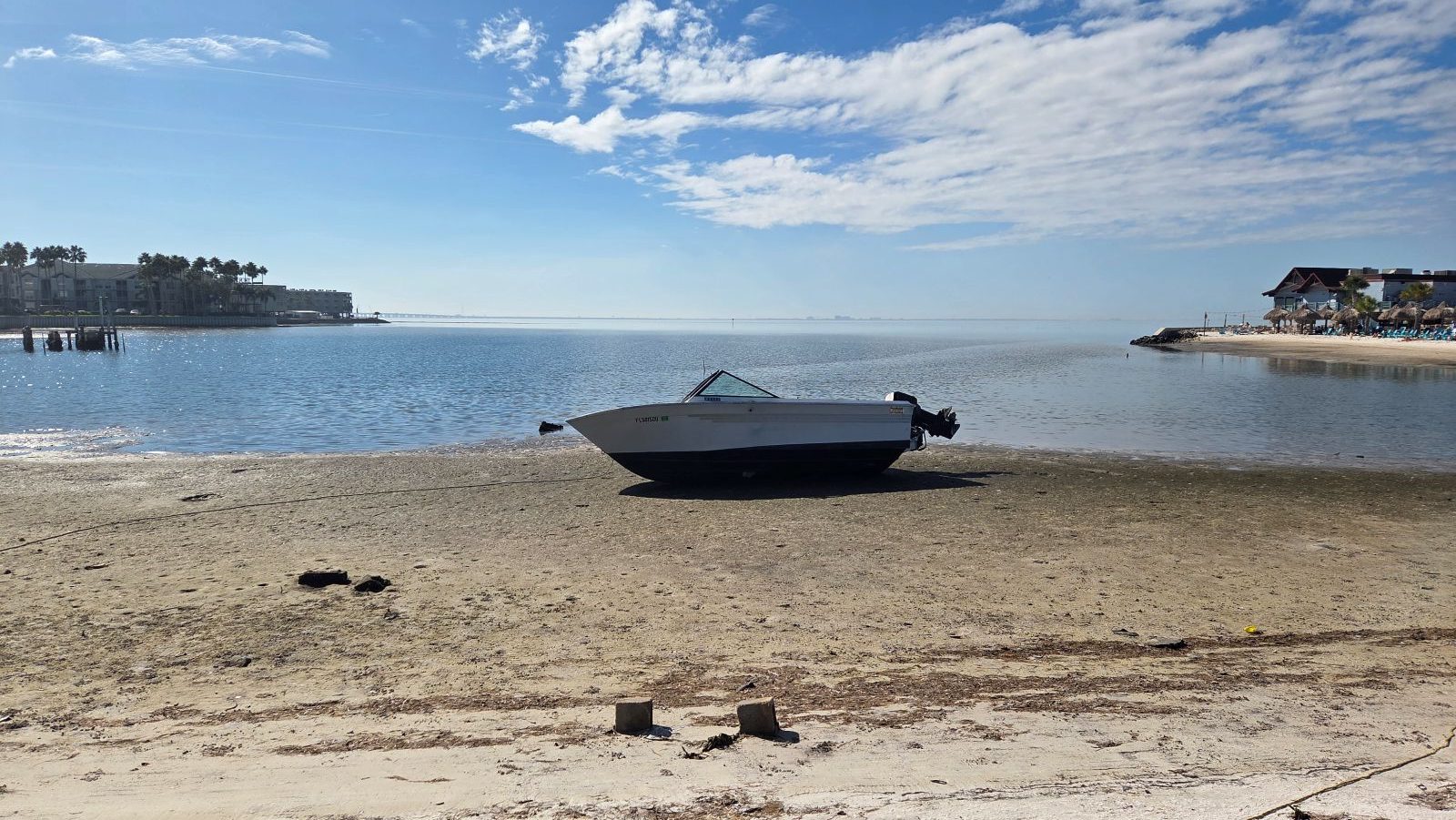
Why I almost gave up on cycling.
When your identity is tied to your performance and the numbers start to fail, the descent is soul-crushing. After months of fighting infection, "wrecked" performance, and a body that wouldn't cooperate, I hit the breaking point. This is a raw look at my recent struggle, why I almost gave up on the sport, and the specific circle of support that helped me rebuild the engine
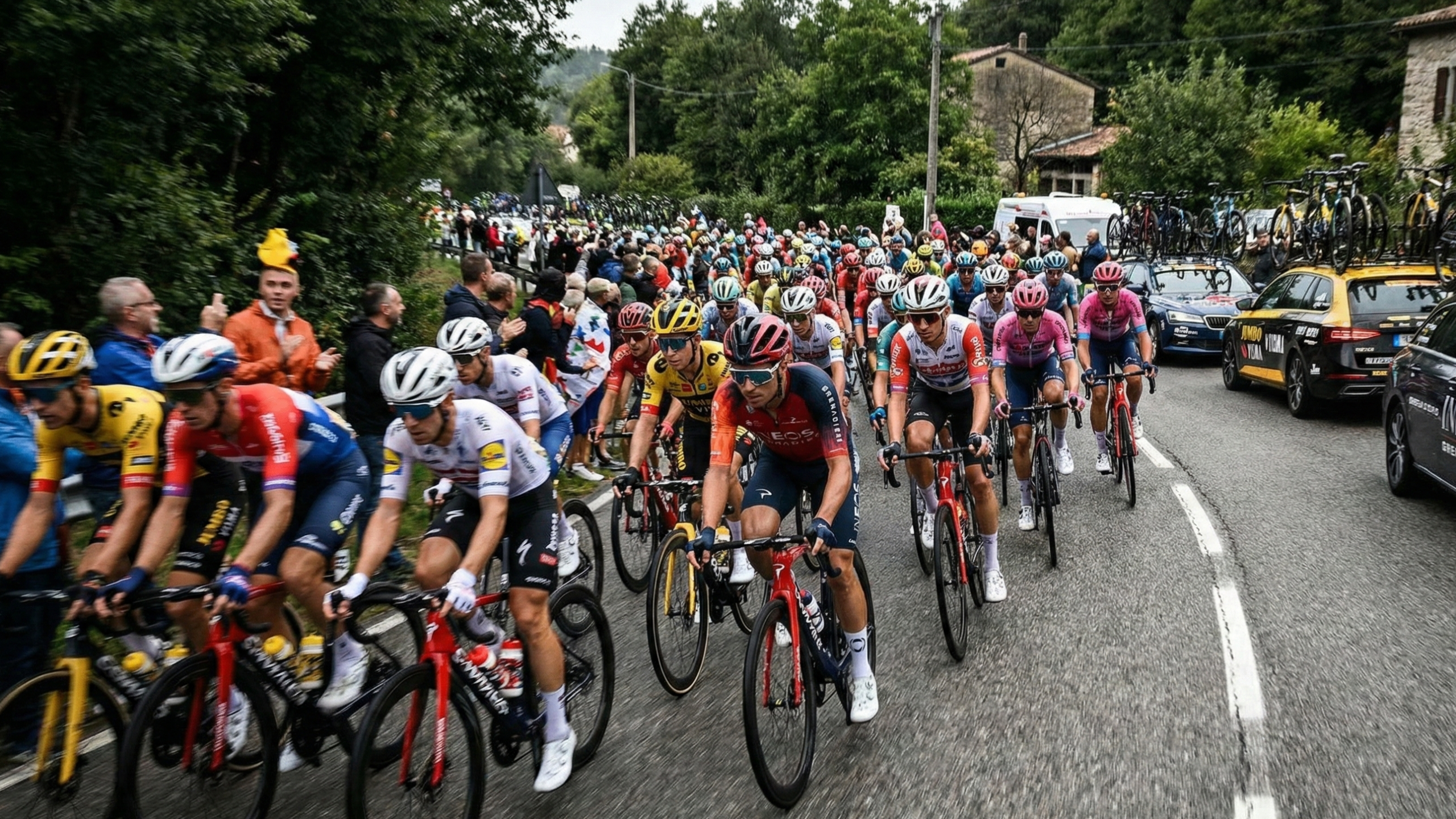
The WorldTour Lie
A pro cyclist is like a Formula 1 engine: tuned for absolute maximum output, but designed to be scrapped after just a few races. They are paid millions to mortgage their health for short-term speed. You are doing it for free. In this post, we break down why copying 'Pro' strategies is the fastest way to blow a gasket, and how to build a 'Million-Mile