


The Tailwind Trap: Why Getting “Blown Home” is the Hardest Part of the Ride
There is a common myth in group cycling: Headwinds are for suffering, and tailwinds are a free ride home. When you turn your bike and feel the wind at your back, the expectation is that the group will casually float along at 30 mph while you barely touch the pedals. But if you’ve spent enough time in a fast group ride, you know the brutal reality.
Tailwinds are often the most destructive, chaotic, and exhausting sections of a ride. Rather than a free ride, a strong tailwind is the ultimate lie detector test for your fitness. Here is the science behind why tailwinds hurt so much, and how to survive them.
Why Tailwinds Are Harder Than Headwinds
To understand the tailwind trap, you have to understand the physics of the draft.
The Headwind Scenario: In a block headwind, the lead rider is the shield. They take the brunt of the aerodynamic drag. The power discrepancy here is massive—the rider on the front might be pushing 400 watts just to maintain speed, while the riders tucked in the draft are comfortably sitting at 260 to 270 watts. If you are hiding in the pack, you can survive a headwind against much stronger riders simply through smart positioning.
The Tailwind Scenario: In a tailwind, the wind is pushing everyone equally, which effectively erases the protective advantage of drafting. When the aerodynamic drag is stripped away, the speeds skyrocket, and the group dynamics completely flip. If the group is moving at a speed that requires 350 watts, everyone has to do 350 watts. There is no shield. There is no hiding.
Instead of a tactical game of positioning, the ride becomes a raw power test. The riders with the highest sustainable power will thrive, and the weaker riders will be exposed and dropped.
The Accordion Effect: Why the Back is Brutal
If you start to struggle in a tailwind, your instinct is usually to drift to the back of the group to hide. This is the worst place you can be.
Tailwinds create violent surges at the back of the pack—a phenomenon known as the “accordion effect” or “whiplash.” Because the speeds are so high (often 34–38+ mph), minor speed adjustments at the front become massive power spikes by the time they reach the back.
- The Math: While the leader rolls smoothly at 400 watts, the middle of the group has to punch 450 watts to close a micro-gap. By the time that ripple reaches you at the back, you are forced to sprint at 500+ watts just to stay on the wheel.
- Two seconds later, the group compresses, forcing you to stop pedaling and coast at 50 watts.
Going from 500 watts to 50 watts over and over again is incredibly inefficient. It will drain your matches and rapidly empty your glycogen stores. Add in the fact that you might literally run out of gears trying to pedal at 38 mph, and the back of the group becomes a death trap.
If you are on the absolute rivet, the riders around you are likely suffocating too
Surviving the Tailwind Test
You cannot fake your way through a tailwind. It is the ultimate lie detector for your engine. While headwinds reward the smartest riders, tailwinds strictly reward the strongest.
But here is the most important tactical truth of a tailwind section: if you are on the absolute rivet, the riders around you are likely suffocating too.
A high-speed tailwind is a game of physiological chicken. When the group hits 36 mph and your power meter spikes, it is incredibly easy to convince yourself that everyone else is cruising while you are dying. They aren’t. Because the draft is neutralized, the math of the wind is brutal for everyone. Nobody is getting a free ride.
This is not the time to accept the gap. This is the time to fight. This is exactly what you built your gym strength and Quadrant 2 torque for.
Burn your matches to stay attached over small rollers and out of sweeping corners. When the speed surges and the voice in your head tells you to sit up, shut it down. Hold the wheel. The rider pushing the pace on the front is burning their glycogen just as fast as you are. Suffer one pedal stroke longer than the rider next to you, and wait for them to crack first.
The Bottom Line:
Tailwinds strip away the draft and expose the raw power dynamics of the group. You can’t hide, and you can’t coast.
- Get to the front: Anticipate the turn, move up early, and avoid the brutal 500-watt whiplash at the back.
- Trust your engine: Tailwinds are a raw power test. Use the strength you built off the bike to bridge the surges.
- Embrace the suffering: If you are at your limit, so is everyone else. Hold the wheel and fight to stay in.
A tailwind doesn’t care about your drafting skills. Fight for position early, embrace the high-speed suffering, and make the rest of the group crack before you do. Let’s get to work.

Related Posts
How to Stop Getting Dropped on Climbs After 40
Getting dropped on the club-ride climb is rarely a fitness problem, it's a tactics problem. Fix where you start the climb, how hard you hit the first surge, add two targeted weekly sessions, and learn to surf the terrain, and the group that used to ride away from you stops disappearing.
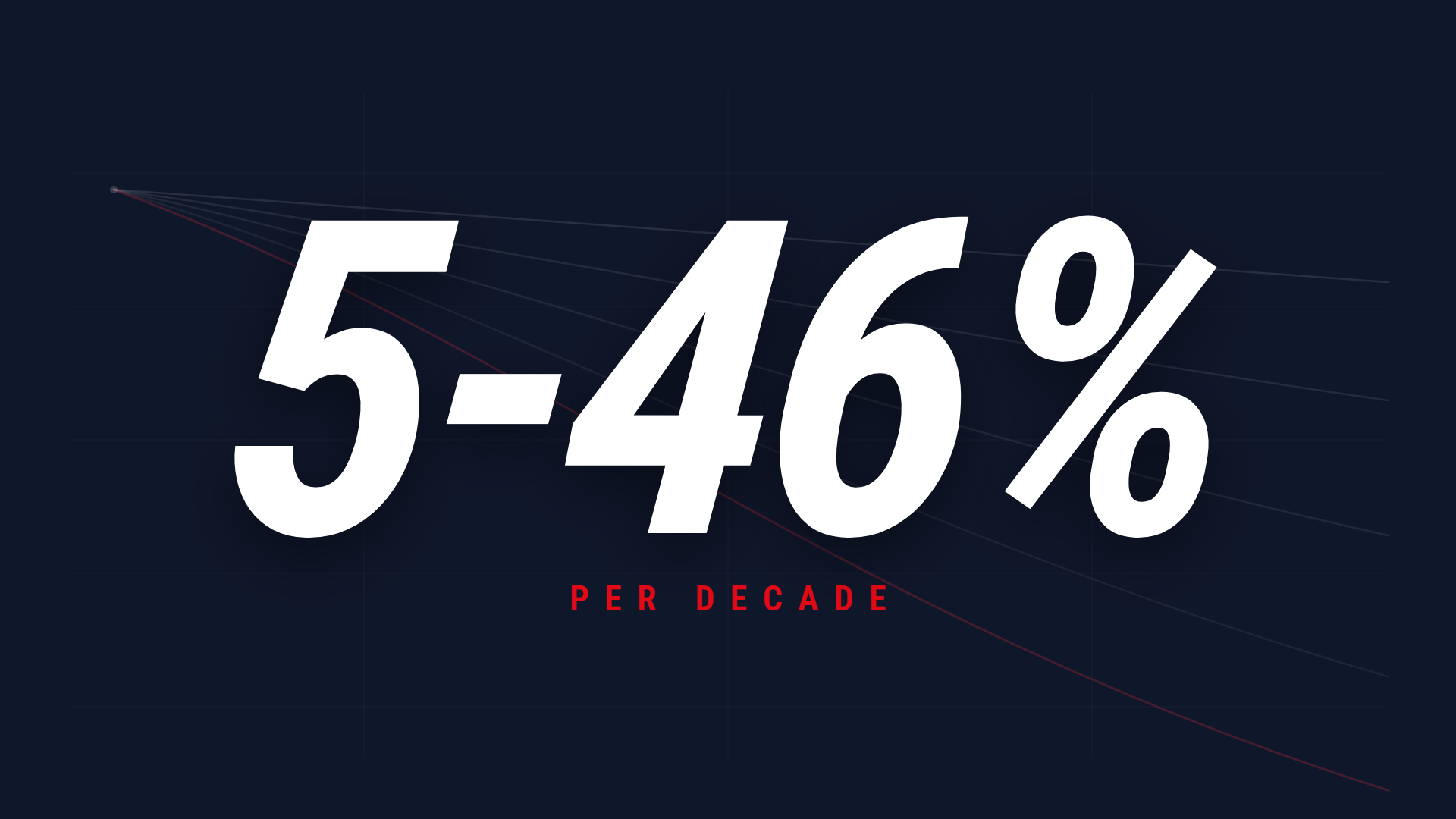
Your VO2max Decline Is a Range, Not a Rate
Masters riders lose anywhere from 5% to 46% of VO2max per decade. The spread has almost nothing to do with age and almost everything to do with training. That is why Rollfast anchors zones to a VO2 ceiling, not a 20-minute FTP test.
The Summer Scale Lie
I came home from a hot week in Florida heavier, and my Garmin insisted my body fat had jumped from 10 to 13 percent in five days. Then the heat took my watts too. None of it is what it looks like. Here is what the summer scale and your power meter are really measuring, why cutting calories is the worst move you can make,

Preston Conrad
Awesome article. Very well done. Thanks for sharing
Coach Tanner
Thanks Preston!