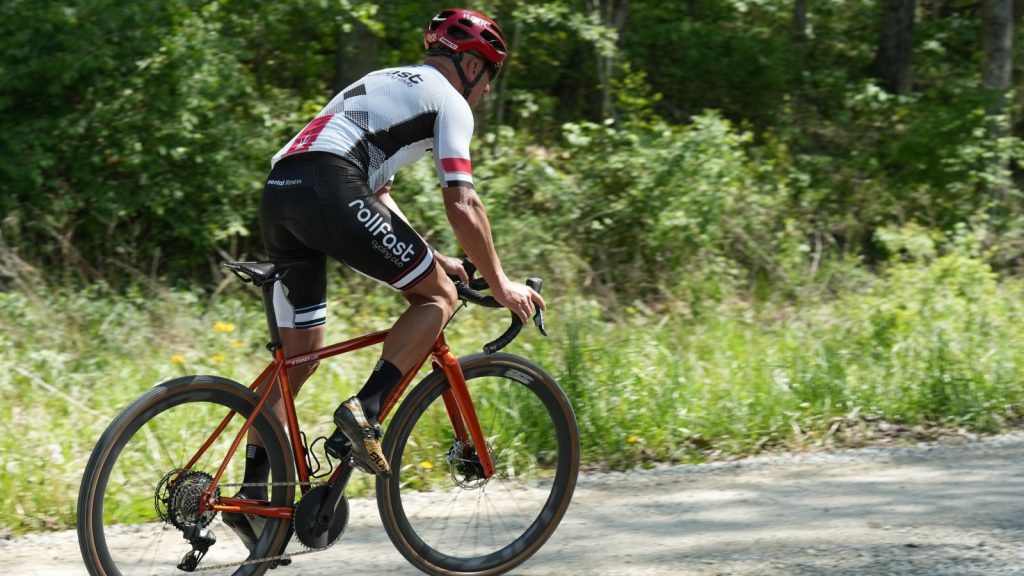
The Athlete’s Paradox: Fit Muscle, Sick Blood Work
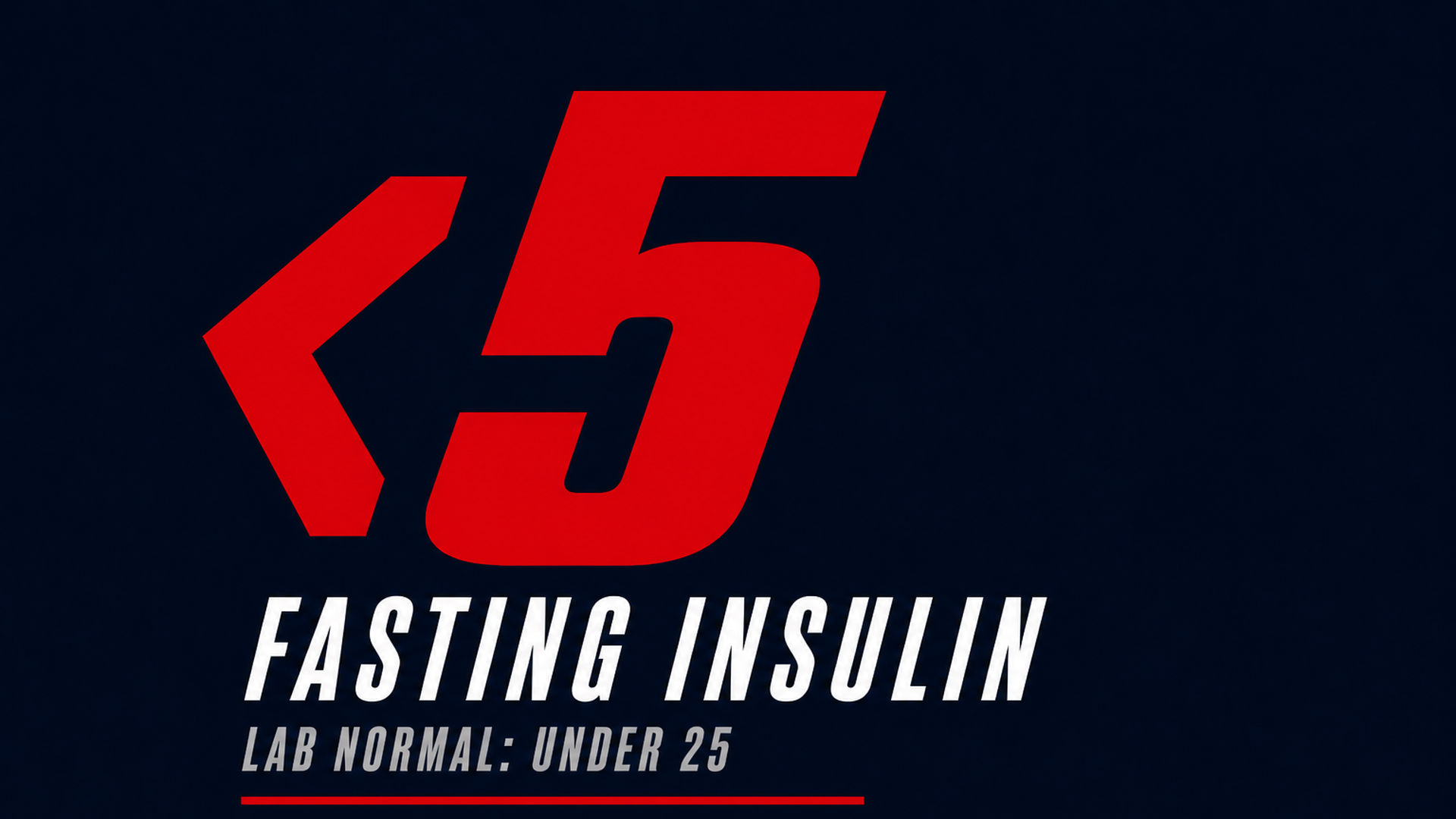
Your legs can be insulin sensitive while your fasting insulin tells a different story, and only one of those shows up on a lab report. Masters riders who train hard and eat poorly off the bike are the ones most likely to get blindsided by metabolic dysfunction at 60.
Your VO2max Decline Is a Range, Not a Rate
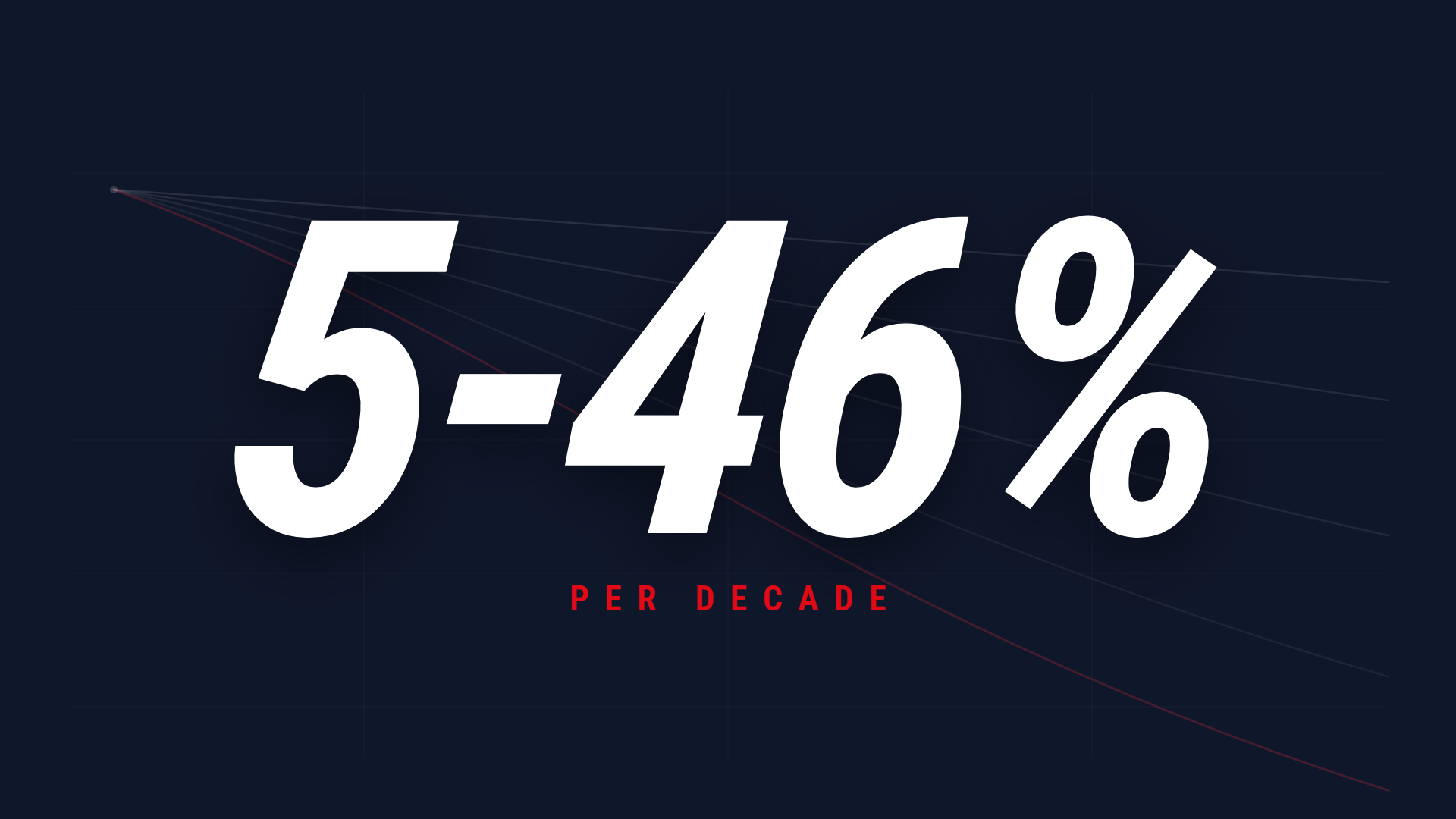
Masters riders lose anywhere from 5% to 46% of VO2max per decade. The spread has almost nothing to do with age and almost everything to do with training. That is why Rollfast anchors zones to a VO2 ceiling, not a 20-minute FTP test.
The Pint and the Saddle
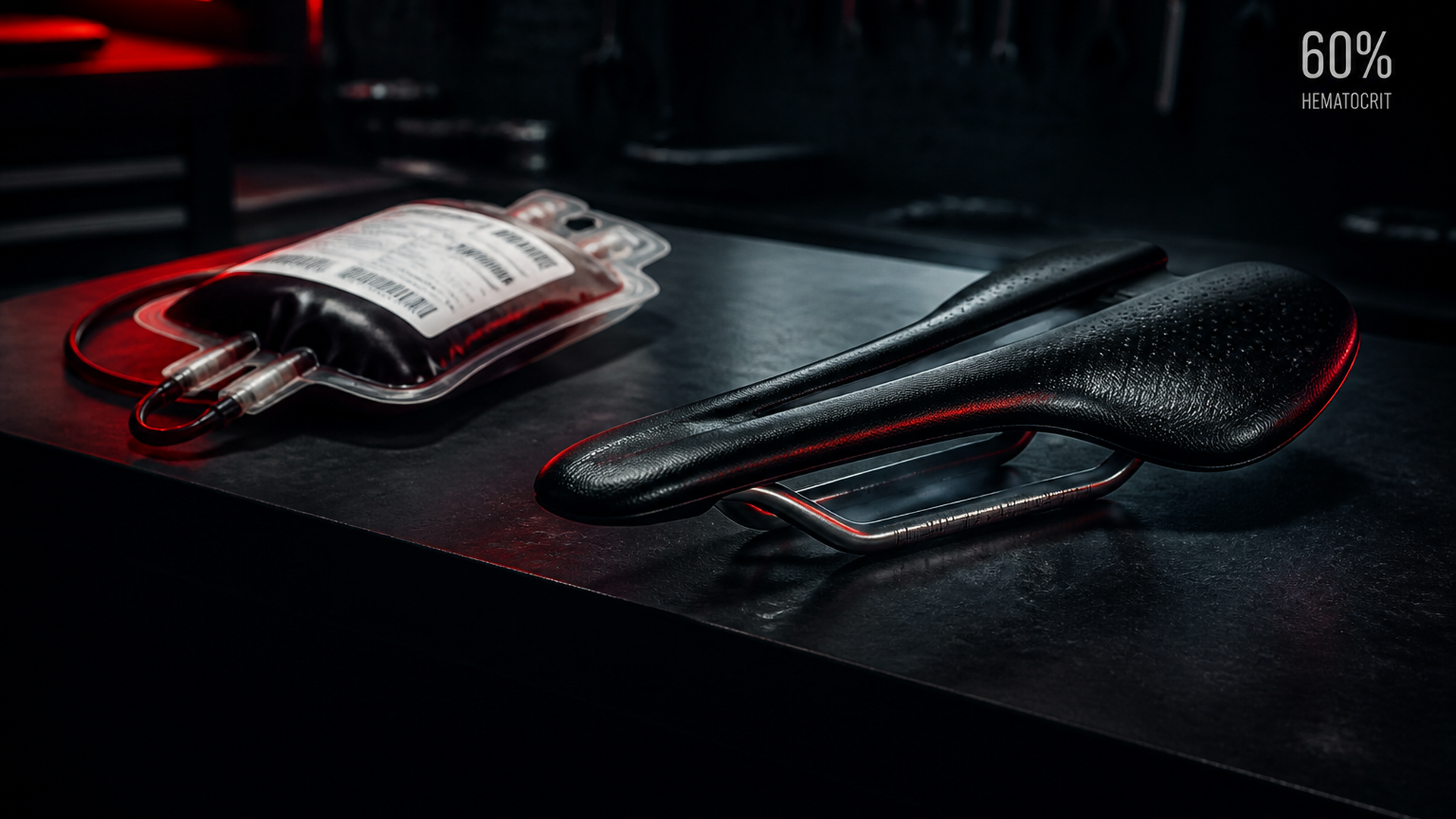
On Monday 17 August I donated a pint of blood after a hematocrit of 60 percent, and I moved my saddle forward the same day. Claude went through the Strava files. Same speed. Heart-rate cost per watt down 5.8 percent on the steady laps. Here is the method, including the parts that did not work.
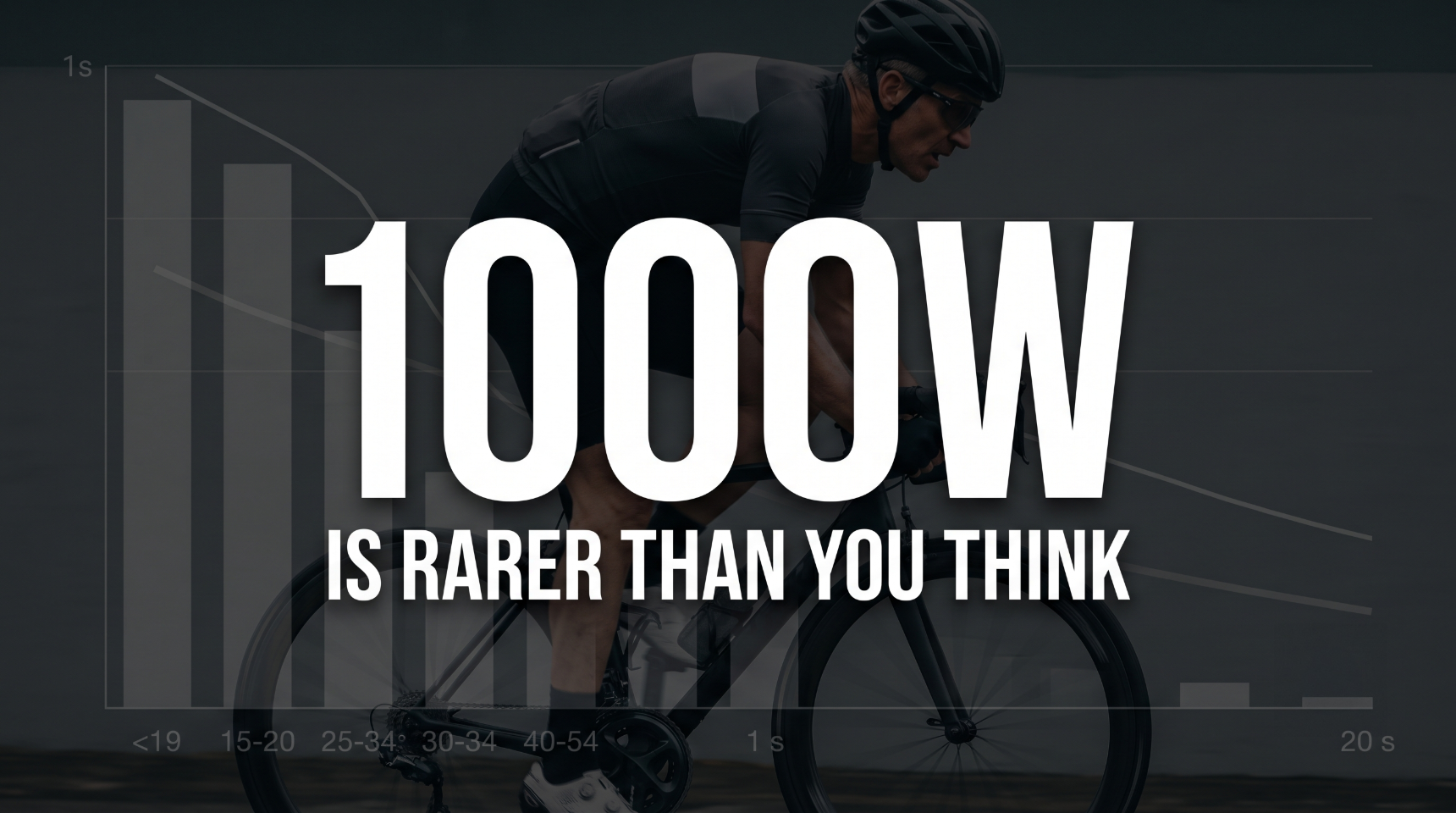
Everybody can hit 1000 watts!
Most men never hold 1,000 watts for a real sprint — and after 40, far fewer do. TrainerRoad's data kills the myth. Here's what Masters riders should train instead of chasing a vanity number.
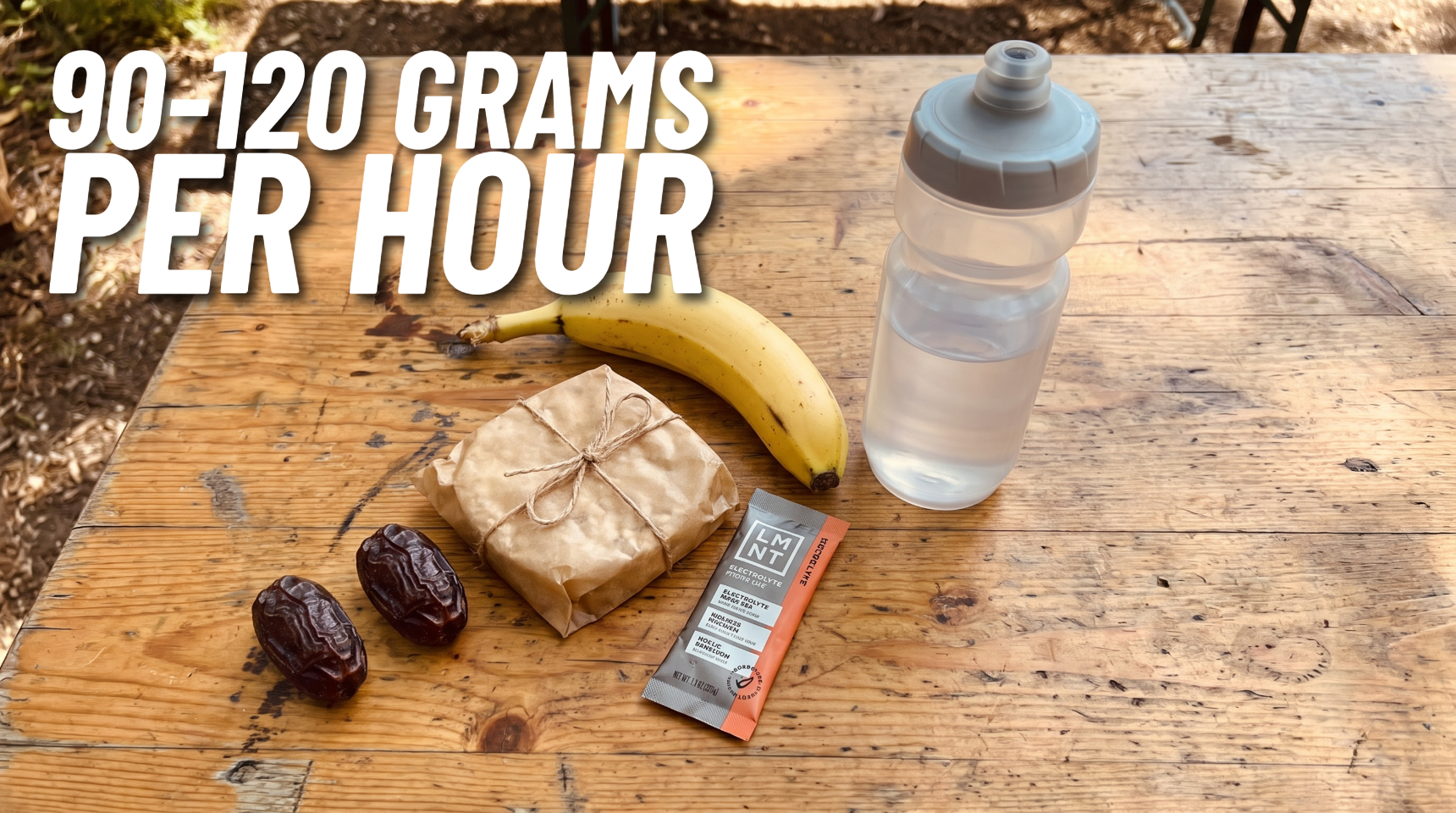
There Is No Carb Number. The UCI’s Own Data Ranges From 41 to 106 Grams an Hour.
The "90 to 120 grams of carbohydrate per hour" rule that dominates cycling nutrition advice comes from the top of a Grand Tour range, not the middle of the peloton. The UCI's own data spans 41 to 106 grams per hour across professional road cycling, and that spread is the point: there is no single carb number.