Coughing After Cold Rides? Your Lungs Are Telling You Something
Longevity · Winter Training
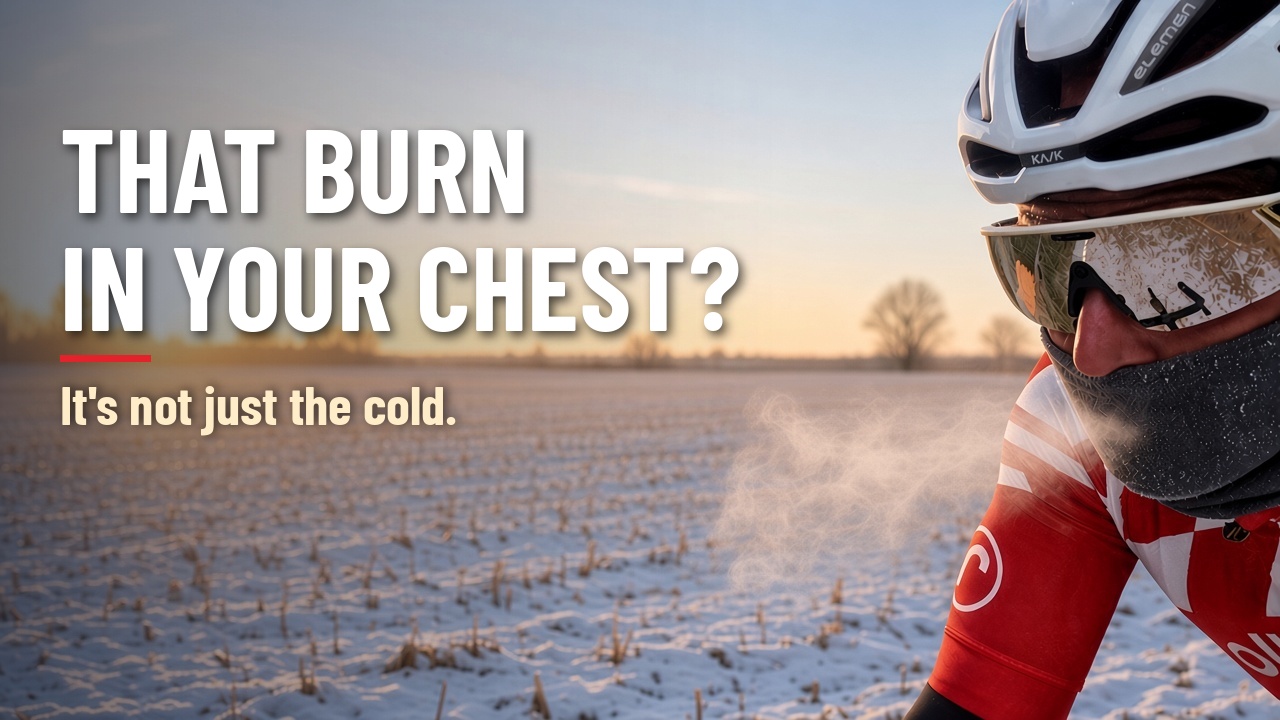
You get home from a hard ride on a 38 degree morning and the cough starts. Dry, hacking, sometimes with a tight chest or a faint wheeze, and it hangs around through the shower and into breakfast. Plenty of riders call it “cold lungs,” shrug, and go do it again next Saturday.
If that sounds familiar, it is worth paying attention to. What many riders are feeling has a name, exercise-induced bronchoconstriction (EIB), and it is common in endurance athletes. It also shows up in riders who never had a breathing problem in their 20s or 30s.
This post explains what is going on in plain terms, gives you a winter checklist, and tells you when to stop guessing and see a doctor. It is not a diagnosis. Only a doctor can give you one.
What Is Actually Happening
On an easy ride you breathe through your nose and upper airway, which warm and humidify the air before it reaches your lungs. Push into a hard effort and you start moving huge volumes of air through your mouth. In winter that air is cold and dry.
Your airways lose heat and moisture faster than they can replace it. The lining gets irritated, and the small muscles around the airways can tighten. That narrowing is the bronchoconstriction. The cough, the tight chest and the sense that you cannot get a full breath are the symptoms. They often feel worst in the minutes after you stop, not during the effort itself.
Why Endurance Riders Get It
Cycling asks you to breathe hard for a long time. A two-hour group ride with surges, or a set of threshold intervals on an open road in November, means hours of high-volume breathing. Years of that exposure, season after season, is one reason EIB turns up so often in endurance athletes, and why it can appear later in a riding life rather than early.
Cold is the trigger most riders notice, but dry air, pollen, and traffic exhaust on busy roads can all add to the irritation. A cold day on a busy road is a tough combination for your airways.
The upside is that most riders can manage it well once they stop treating it as something to push through.
Your Winter Breathing Checklist
Try these on your next cold ride. None of them cost you fitness.
Warm up longer before anything hard.
Give yourself 15-20 minutes of easy riding before the first real effort, and build into it with a few short, moderate pickups rather than jumping straight to threshold. A gradual warm-up is gentler on your airways than a cold start into a hard effort.
Cover your mouth below about 40 degrees.
A neck gaiter or buff pulled up over your mouth traps some warmth and moisture from your own breath, so the air you pull in is less cold and dry. It feels odd for the first ten minutes. Then you stop noticing it.
Breathe through your nose on easy rides.
On true endurance days, keep the effort low enough that you can breathe mostly through your nose. If you can’t, you are probably riding harder than an endurance ride calls for anyway. Your nose is a built-in heater and humidifier.
Move the hardest intervals indoors on the coldest days.
This is the big one. On days below freezing, or when the wind is brutal, do your VO2 work (short, very hard efforts near your maximum) and threshold sets on the trainer, where the air is warmer and more humid. Keep the outdoor ride for that day easy and steady. You still get the miles and the fresh air without asking your lungs to move cold air at full volume.
Cool down before you stop.
Spin easy for 10 minutes at the end instead of finishing on a hard effort and walking straight into the house. A gradual finish gives your breathing time to settle.
Write it down.
For the next few weeks, note the temperature, the hardest part of the ride, whether you covered your mouth, and how you felt afterward. A short log turns “my lungs feel weird sometimes” into a pattern you or your doctor can actually use.
How This Fits a November Training Week
November is the start of the Rollfast Launch phase: endurance base plus strength. That works in your favor here. The work that matters most this month is steady aerobic riding and the gym, not repeated all-out efforts in the cold.
A cold-weather week can look like this:
- Weekday evenings: structured intervals on the trainer
- Gym: two strength sessions
- Weekend: one longer outdoor endurance ride, warmed up properly, mouth covered when it is cold, effort kept conversational
You keep the outdoor riding you enjoy and put the high-volume breathing where the air is kind to you.
When to See a Doctor
Don’t self-diagnose, and don’t assume a cough is “just the cold.” Book an appointment if you notice any of these:
- Wheezing during or after rides
- Chest tightness that keeps coming back after hard efforts
- A cough that lasts for hours after you get off the bike
- A sudden drop in performance, or feeling short of breath on efforts that used to be easy
- Any chest pain, dizziness, or breathlessness that feels out of proportion to the effort
Chest pain or unusual breathlessness on the bike is a reason to stop riding and get checked right away, not next month. For riders over 40 especially, breathing symptoms can have more than one cause, and a doctor can test properly and tell you what you are dealing with. Bring your ride log.
The Takeaway
On your next ride below 40 degrees: warm up for 15-20 minutes, pull a buff over your mouth, keep the hard work for the trainer, and spin easy for 10 minutes before you stop. Then write down how your chest felt an hour later. If the cough, wheeze or tightness keeps showing up anyway, that is your signal to see a doctor.
Sources
Annals of Allergy, Asthma & Immunology. “Exercise-induced bronchoconstriction in elite or endurance athletes.”
Speed · Strength · Longevity
When the weather gets harsh, we move the hard work indoors and keep the cold days easy. That kind of week-by-week call is what a Rollfast coach makes for you.

Related Posts
The Clocks Fall Back Sunday. Here’s How to Keep Riding Outside Into December
Daylight saving ends this Sunday, and for riders who do most of their miles after work, the outdoor ride window closes almost overnight. Here is how to rebuild your training week around the light you still have, stay safe in the dark, and keep the consistency you need right when off-season fitness work is starting.
Looking the part did not mean they could switch fueling systems
Same VO2max. Same body fat. Only the insulin-sensitive men could switch fuels when more fat hit the bloodstream. Fasting insulin split them, not fitness. Mine went from 6.3 to 2.5 after I quit the nightly Mint Explosion pints.
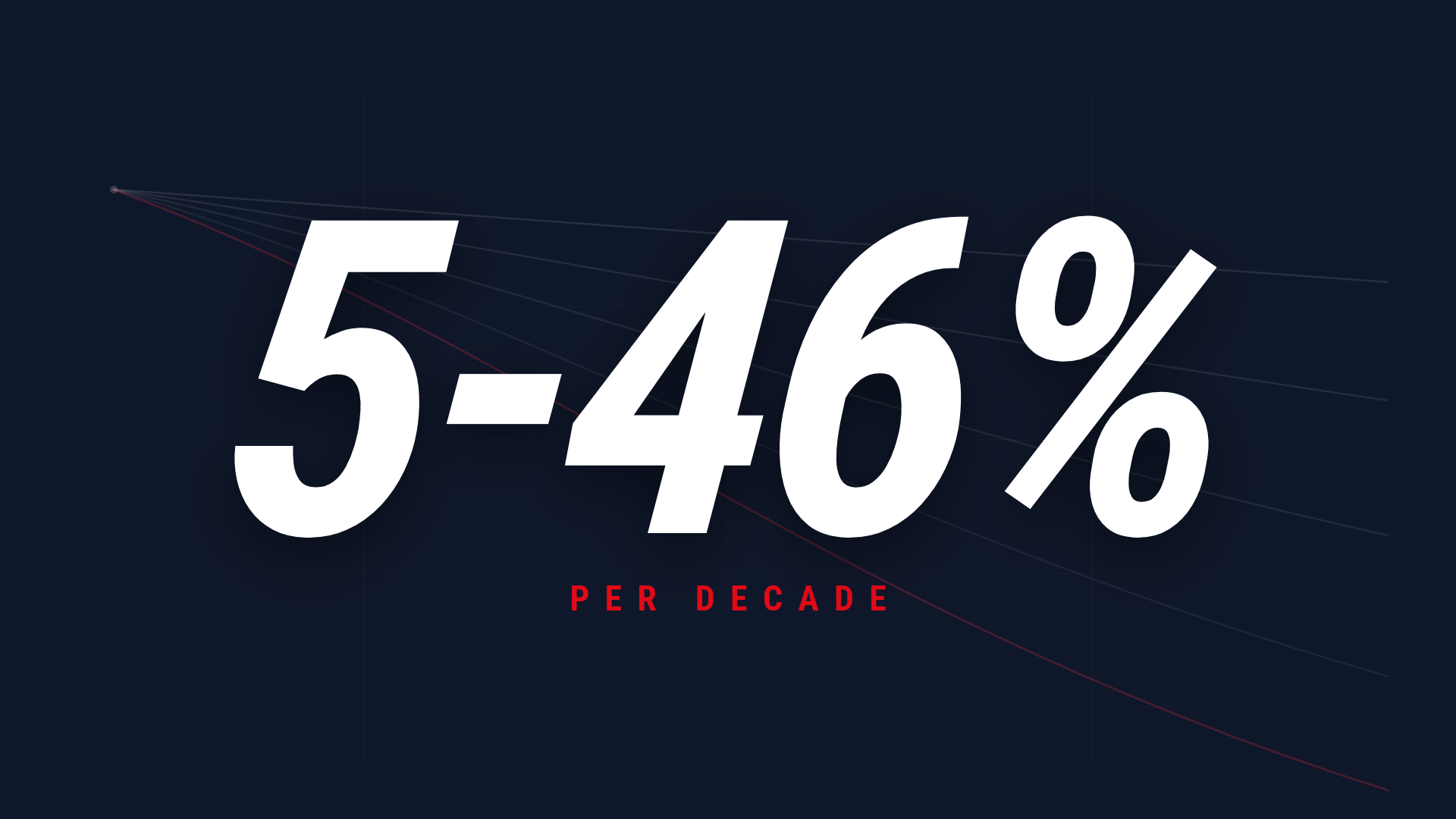
Your VO2max Decline Is a Range, Not a Rate
Masters riders lose anywhere from 5% to 46% of VO2max per decade. The spread has almost nothing to do with age and almost everything to do with training. That is why Rollfast anchors zones to a VO2 ceiling, not a 20-minute FTP test.