The Clocks Fall Back Sunday. Here’s How to Keep Riding Outside Into December
Speed · Longevity
Sunday morning the clock jumps back an hour. That sounds like a gift until you check sunset in central Indiana: 5:41 pm. Your after-work ride, the one that has kept you fit since March, just lost an hour of daylight it is not getting back until March again.
For riders 40 and up who count on weekday miles, this is the moment the year goes one of two ways. Either you adapt the schedule and arrive at January with a fitness base and the habit intact, or November turns into six weeks of telling yourself you’ll figure it out next weekend. The off-season is exactly when the strength and aerobic work that pays off next spring should be starting. Losing it now costs you more than six weeks.
The good news: the light does not disappear, it just moves. Rebuild your week around where the light actually is, add the right kit, and you can ride outside well into December.
Rebuild the week, not your fitness
The mistake riders make in early November is trying to squeeze the same schedule into a narrower daylight window and then quitting when it keeps not working. The smarter move is a full week rebuild, done once, that matches your rides to the light you actually have.
Outdoor rides go to weekends and lunch
Saturday and Sunday still give you three to four usable hours of daylight, depending on where you live. If you have any flexibility in your workday, a lunch ride of 45–75 minutes keeps one midweek outdoor spin on the calendar. That matters for handling, mood, and the kind of bike-feel you can’t replicate on a trainer.
Structured work moves indoors on weekday evenings
This is not a consolation prize. Trainer sessions are actually better for interval work: no traffic, no coasting, no interruptions. Short power, tempo blocks, and aerobic endurance all translate well to a 45–60 minute indoor session. Use that window Monday through Thursday.
Keep at least one outdoor ride a week, non-negotiable
Trainers maintain fitness but they don’t maintain handling. Cornering through wet leaves, reading road surfaces, staying smooth in low light: these are real skills that erode over a winter spent entirely indoors. One weekend ride outside, even a relaxed 90 minutes, keeps you sharp for when the light comes back.
The light does not disappear. It just moves.
The kit that actually keeps you going
Gear problems are the number one reason riders skip rides in low-light and cold conditions. The fix is simple: make your kit decisions once in the next 48 hours so they are never the excuse on a Tuesday night.
See and be seen
Lights
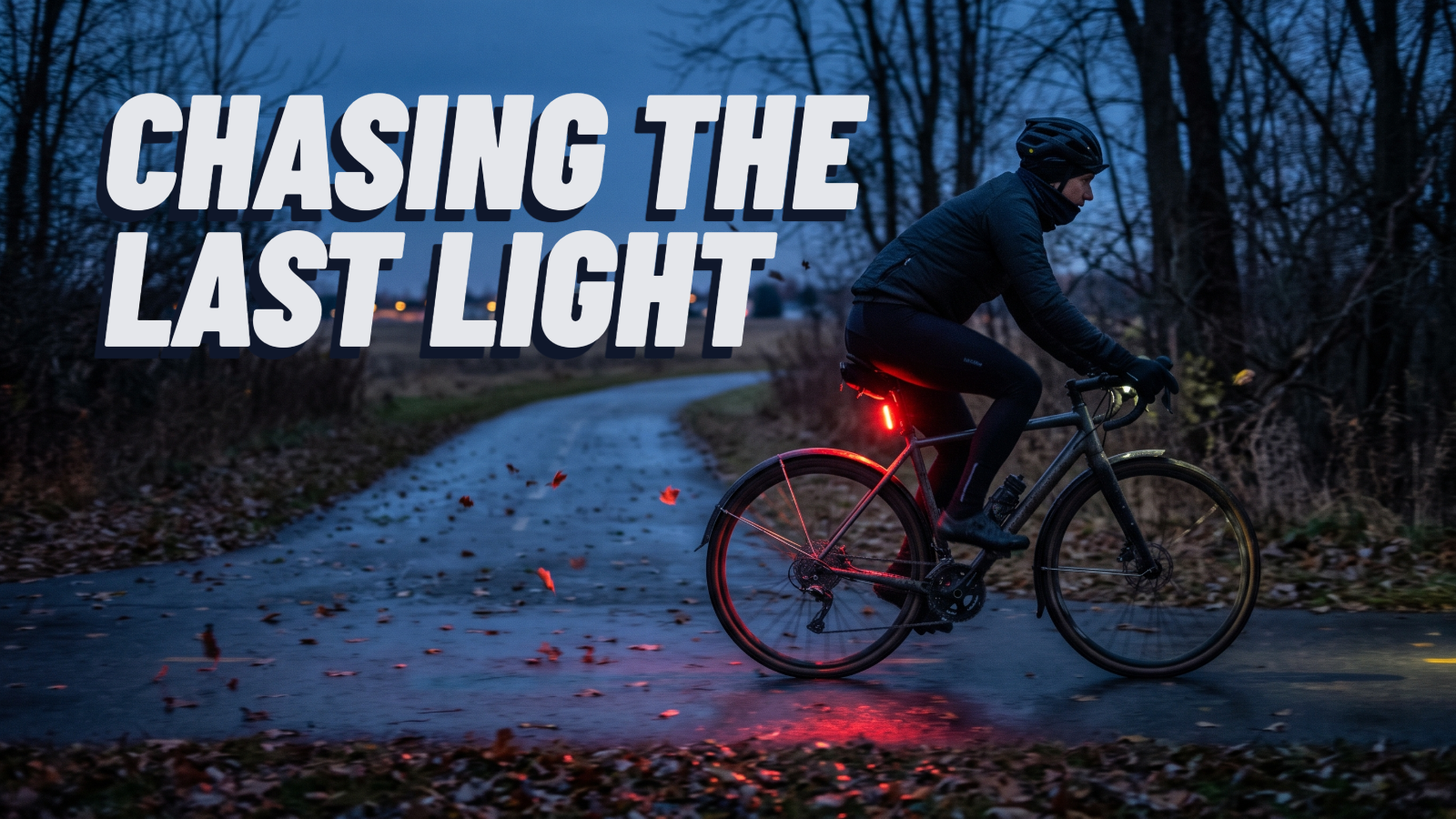
A front and rear light belong on your bike year-round, but November is when they matter most. One thing riders consistently get wrong: running a mountain-bike-style floodlight on the road. Those lights are designed to illuminate a trail at close range. Aimed at road height they blind oncoming drivers and cyclists.
A road-specific front light with a beam pattern that lights the tarmac ahead without projecting into eye level is the right tool. Something in the 400–800 lumen range with a focused beam works for most lit suburban roads. If you’re riding unlit rural roads, go higher.
Run lights in daylight, too. Cycling UK research found that drivers consistently underestimate the risk to cyclists in autumn conditions, partly because lower sun angles and leaf glare reduce contrast.
A flashing rear light makes you visible well before dusk.
Clothing by temperature band
Overdressing is as real a problem as underdressing. You start a 35-degree morning ride in a heavy winter jacket, work up a sweat in the first 20 minutes, and spend the next hour in wet layers.
The ruleDress for 10–15 degrees warmer than the start temperature, knowing your body heat will close the gap once you’re moving, and add a packable layer you can stuff in a pocket if you need it at the start.
50s (50–59°F)
- Head—
- TorsoArm warmers or a lightweight long-sleeve jersey
- LegsBib shorts or light knee warmers
- HandsLight gloves
- FeetShoe covers optional
- ExtrasWind vest if it’s breezy
A comfortable temperature once you’re rolling.
40s (40–49°F)
- HeadLight cap under your helmet if it’s windy
- TorsoThermal jersey, or a base layer plus regular jersey
- LegsFull bib tights or thermal bib shorts
- HandsFull gloves (not liners)
- FeetShoe covers
- Extras—
30s (30–39°F)
- HeadThermal cap
- TorsoBase layer plus thermal jersey plus windproof jacket
- LegsInsulated bib tights
- HandsLobster gloves or thick full-finger gloves
- FeetInsulated shoe covers
- Extras—
Your extremities are the first to suffer. Hands and feet warrant more attention than your core.
Coaching note on layeringAdd a thin base layer first before upgrading the outer shell. A moisture-wicking base layer against the skin makes every layer on top work better and prevents the wet-and-cold feeling that makes cold rides miserable.
Route audit
Before Sunday, pull up the routes you rode all summer and think about which segments are unlit after 5 pm. A road you know well in July looks very different in November dark, especially through wooded sections or past unlit parking lots where pedestrians step out from shadow.
Sunset direction
Sun at your back on the way home
If you are riding into the setting sun, drivers coming up behind you are looking directly into that glare, which makes it harder for them to pick you out. Riding with the sun at your back puts the light on you from behind, making you easier for approaching cars to see.
Wet leaves
Treat leaf piles like a painted line
A corner you can take at speed in September can put you on the ground in November. Leaf piles carry the same traction risk as a wet painted line or a drain cover. Hold your line, brake before the corner, not in it, and don’t lean on traction that may not be there.
What happens if you skip this
The riders who don’t adapt in early November tend to follow a predictable pattern. They skip a few weekday rides because it’s dark and they weren’t ready. Then skipping becomes the habit. By Thanksgiving they haven’t ridden in three weeks. By January they’re starting over rather than building on a base.
The off-season matters more for Masters and older riders than most training plans acknowledge. This is the window for strength work, for building the aerobic base that takes weeks to develop, for correcting the things that went sideways in the race or gran fondo season. Six weeks off right now means six weeks of catch-up in February, when everyone else is already ahead.
Keep the habit, preserve the base, and stay comfortable on the bike so spring doesn’t feel like starting over.
The goal between now and the end of December is not to maintain peak fitness. It’s to keep the habit, preserve the base, and stay mechanically comfortable on the bike so spring doesn’t feel like starting over. That starts with a plan that works around the light you have.
Your November checklist
Copy this, print it, put it on the fridge:
- Front light: road-specific beam pattern, 400–800+ lumens
- Rear light: charged and mounted
- Bib tights or thermal shorts for 40s and below
- Full-finger gloves
- Shoe covers
- Base layer for cold mornings
- Route audit: flag unlit segments and plan alternatives
- Route direction: plan your return leg with the sun at your back
- Weekly template: outdoor on weekends, structured trainer work on weekday evenings, at least one outdoor ride per week minimum
Do this once this weekend and the rest of the month takes care of itself.
Sources
CTS Train Right. Tips to Keep Training When Daylight Saving Time Ends
Cycling UK. Drivers Asked to Be Aware of Cyclists in Autumn
Speed · Strength · Longevity
November doesn’t have to turn into six weeks off
If you want someone to build that weekly template around your actual schedule, your daylight window, and where you want to be by March, that’s exactly what a Rollfast coach does.

Related Posts
How to Ride Closer to the Wheel Without Panicking
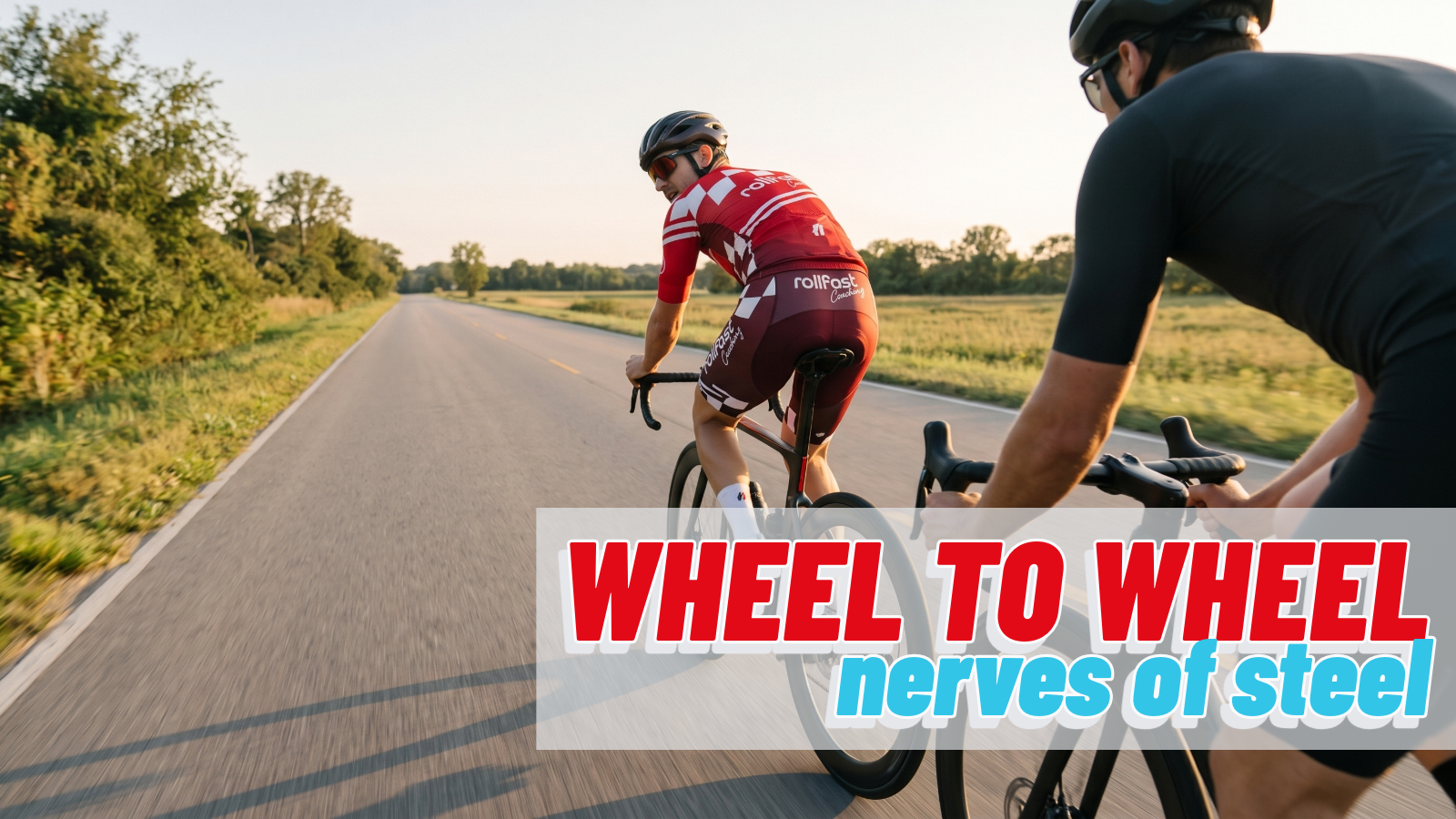
Leaving a three-foot gap feels safe, but it means you're doing far more work than everyone else in the group, and you'll be the one cooked when the surge comes. The draft is free speed, and closing that gap is a skill you can build on purpose in three rides.
How to Stop Getting Dropped on Climbs After 40
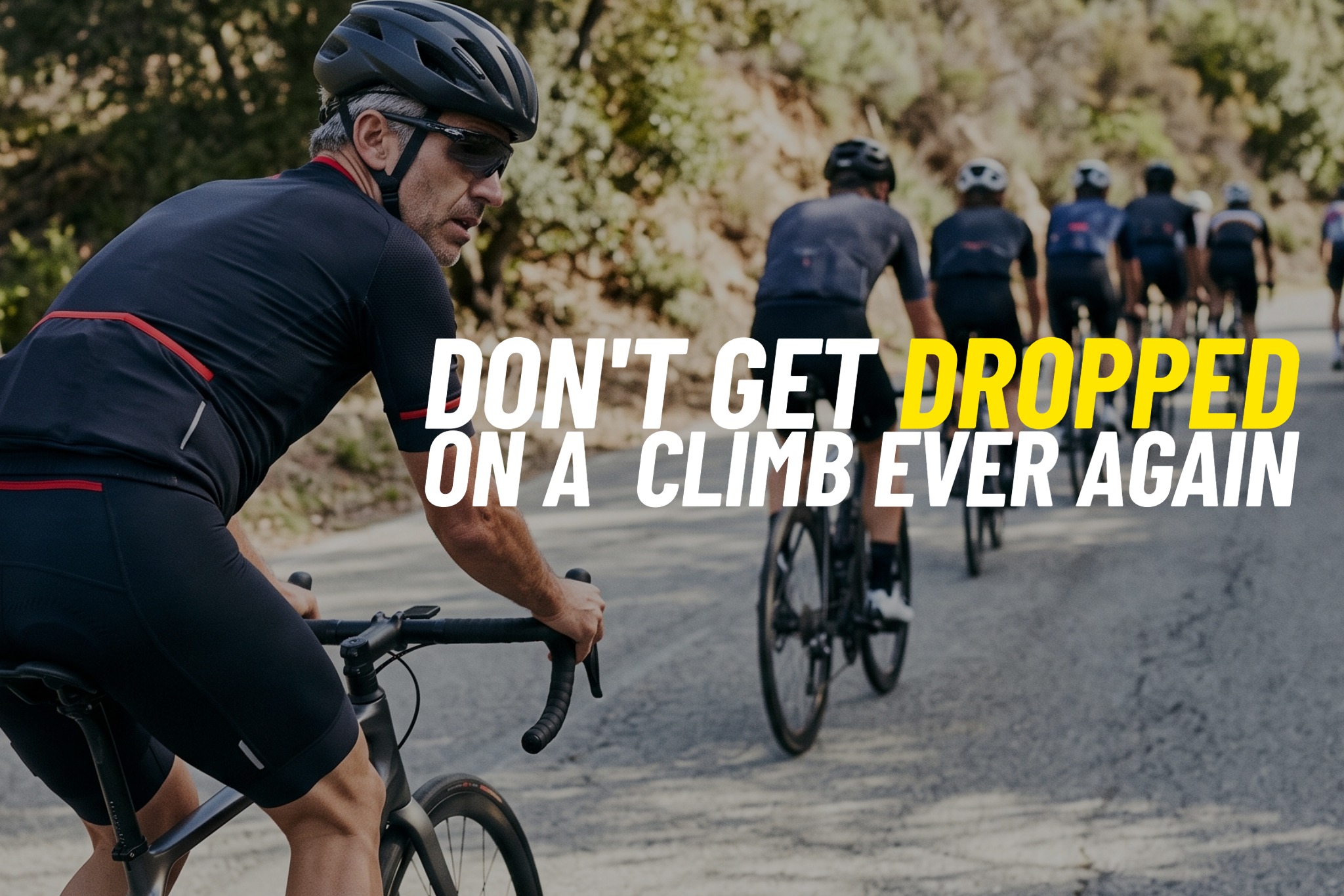
Getting dropped on the club-ride climb is rarely a fitness problem, it's a tactics problem. Fix where you start the climb, how hard you hit the first surge, add two targeted weekly sessions, and learn to surf the terrain, and the group that used to ride away from you stops disappearing.
Your VO2max Decline Is a Range, Not a Rate
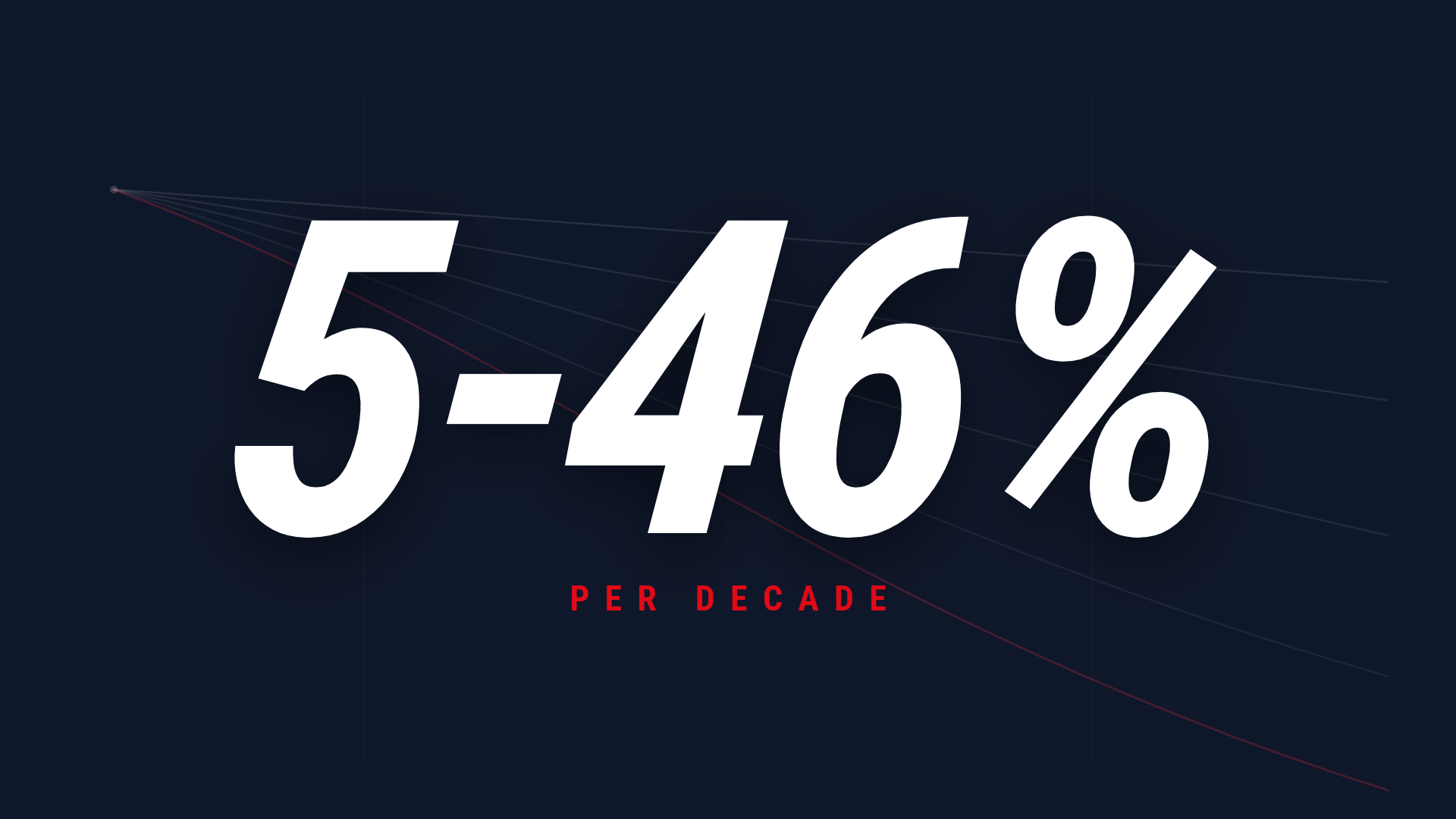
Masters riders lose anywhere from 5% to 46% of VO2max per decade. The spread has almost nothing to do with age and almost everything to do with training. That is why Rollfast anchors zones to a VO2 ceiling, not a 20-minute FTP test.