You Eat Like a 30-Year-Old and Wonder Why You’re Not Rebuilding
You do the work. You lift twice a week, you hit your intervals, you put in the miles. And yet the legs come back flat, the recovery drags, and the power you built last season keeps slipping through your fingers. The easy explanation is the one everyone reaches for: that’s just aging.
It’s usually not aging. It’s under-eating the one macro that does the rebuilding.
Rollfast’s Formula One Nutrition framework puts a hard number on it, and it’s protein-first by design (protein, then fat, then carbs): eat at least 1.5 grams of protein per pound of bodyweight, every day. For a 175-pound rider that’s around 260 grams daily, well north of what most cyclists actually eat. And for Masters athletes the case is even stronger, because of a problem that barely gets mentioned in cycling circles: anabolic resistance.
Your muscle got harder to talk to
Anabolic resistance is the blunt physiological fact that aging muscle responds less to a given dose of protein. A 30-year-old can throw down a small protein snack and trigger a healthy spike in muscle-protein synthesis, the signal that says rebuild, repair, get stronger. Feed the same snack to a 55-year-old and the signal is muffled. The machinery still works; it just needs a louder knock to answer the door.
Sit with the irony for a second. The older athlete (the one fighting sarcopenia, the one whose type-II fast-twitch fibers are the first to fade, the one who needs more protein to get the same rebuilding response) is almost always the one eating less of it. Decades of “carbs are king” messaging trained a generation of cyclists to treat protein as gym-bro stuff and stack their plates with rice and bananas instead.
Then they blame the flat legs on the calendar.
Protein is the backbone of the Strength pillar
At Rollfast, strength isn’t a side dish to the riding; it’s the multiplier. The off-bike work (the Bulletproof Cyclist blocks: build, max strength, power conversion) is what defends the fast-twitch fiber and the bone that road miles never load. But here’s what gets missed: you can lift perfectly and still lose ground if you don’t feed the rebuild. The session is only the stimulus. Protein is the raw material that turns the stimulus into actual tissue.
Skimp on it and the hard strength work just makes you tired. Hit it, and every lift and every interval has something to build with. This is the cheapest, most controllable lever a Masters athlete has, and it’s sitting on the plate.
How to actually hit it
You don’t fix anabolic resistance by sprinkling a little more protein around. You beat it with bigger, well-timed doses that knock loud enough for older muscle to answer:
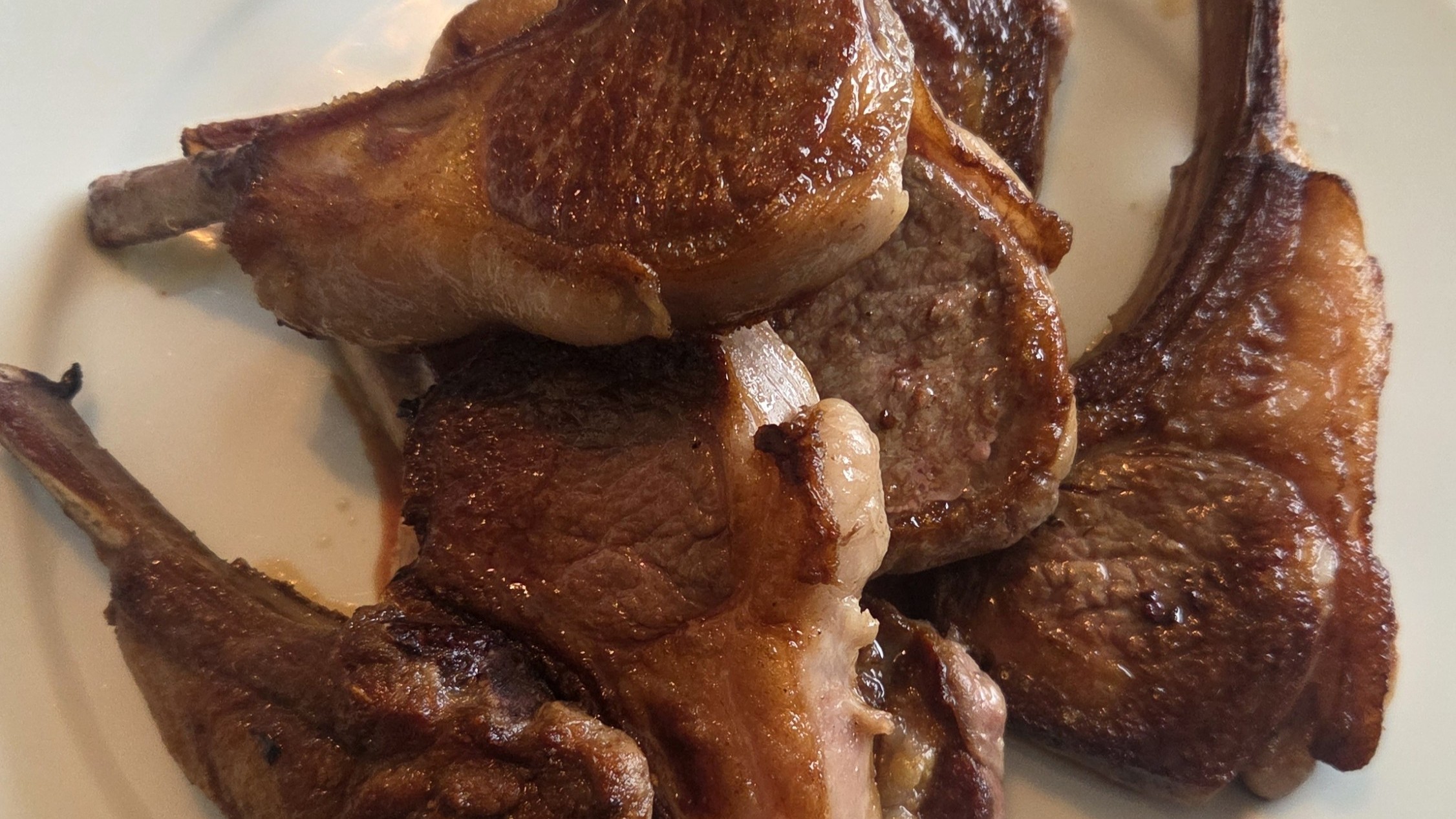
Hit ~50 g of protein per serving. Fifty grams is the threshold that actually flips protein synthesis on, and a dose that size is exactly what overcomes the muffled signal in aging muscle. Small grazing amounts don’t clear the bar. Think real food: eggs, meat and fish, Greek yogurt, cottage cheese, the kind of plate Rollfast champions, not a cupboard of powders.
Fuel heavy with protein after the hard stuff. Strength sessions and key rides open a window where the rebuild signal is primed. Formula One Nutrition is blunt about what goes there: load protein, not a carb reload.
Spread it across the day. Three to four solid hits beats one giant dinner and a protein-light breakfast. The muscle can only answer so loud at once; give it repeated chances.
Count it for a week. Almost every Masters rider who thinks they “eat plenty of protein” is shocked when they actually add it up and land well under 1.5 grams per pound. Measure once. You’ll likely find the leak.
The takeaway
The cyclist obsessing over carbs and ignoring protein has the priorities of a 30-year-old in the body of someone who needs the opposite. Aging muscle isn’t broken; it’s just harder to reach, and the answer is to knock louder: bigger doses, real food, timed around the work.
Feed the rebuild and the flat legs you blamed on age tend to come back to life. Strength is the multiplier of speed, and protein is what you build the multiplier out of.
Sources:
- Rollfast Formula One Nutrition framework: protein, then fat, then carbs; 1.5 g protein per lb/day; 50 g per serving synthesis threshold (athlete onboarding document)
- “Cycling Nutrition Complete Guide 2026” (RunBikeCalc): https://runbikecalc.com/blog/
cycling-nutrition-complete- guide-2026 - “Cycling Nutrition 101: What to Eat Before, During & After Your Ride” (ROUVY): https://rouvy.com/blog/
cycling-nutrition

Related Posts

Why Pro Training Doesn’t Work for You
Every few months a story emerges about a pro cyclist pushing human limits by logging 30-hour training weeks, burning through thousands of calories, and surviving on little more than gels and grit. This story in Velo about Quinn Simmons is the latest example: huge volume, little gym work, and relentless aerobic load. It’s impressive… but for a Masters athlete, it’s a blueprint for breakdown. At Rollfast
Unlocking Your Fat Loss Potential: Dr. Bill Campbell’s Insights & The Rollfast Approach
By Christine Tanner, Rollfast Coaching Longevity & Nutrition Expert Hey Rollfast community! Christine Tanner here. I recently had the chance to dive into a fantastic podcast featuring Dr. Bill Campbell, a world-renowned expert in fat loss and protein science. The insights he shared resonated deeply with our Rollfast Coaching philosophy, especially concerning Longevity, metabolic health, and building sustainable Strength and Speed. Dr. Campbell dismantles many common misconceptions
TRT for Masters Endurance Athletes
A note for competing athletes: testosterone replacement therapy, the subject of this article, is prohibited in sanctioned competition under WADA rules at all times, and therapeutic use exemptions for TRT are rarely granted. This article is written for athletes who do not race under a sanctioning body. If you compete under USADA, UCI, or similar rules, your Longevity Audit recommendations are screened against the current